
Since 2022, Beekley Medical® has recognized several breast centers that utilize the Beekley Skin Marking System® with the “Skin Marking in Mammography Excellence Award.” This award is presented to...

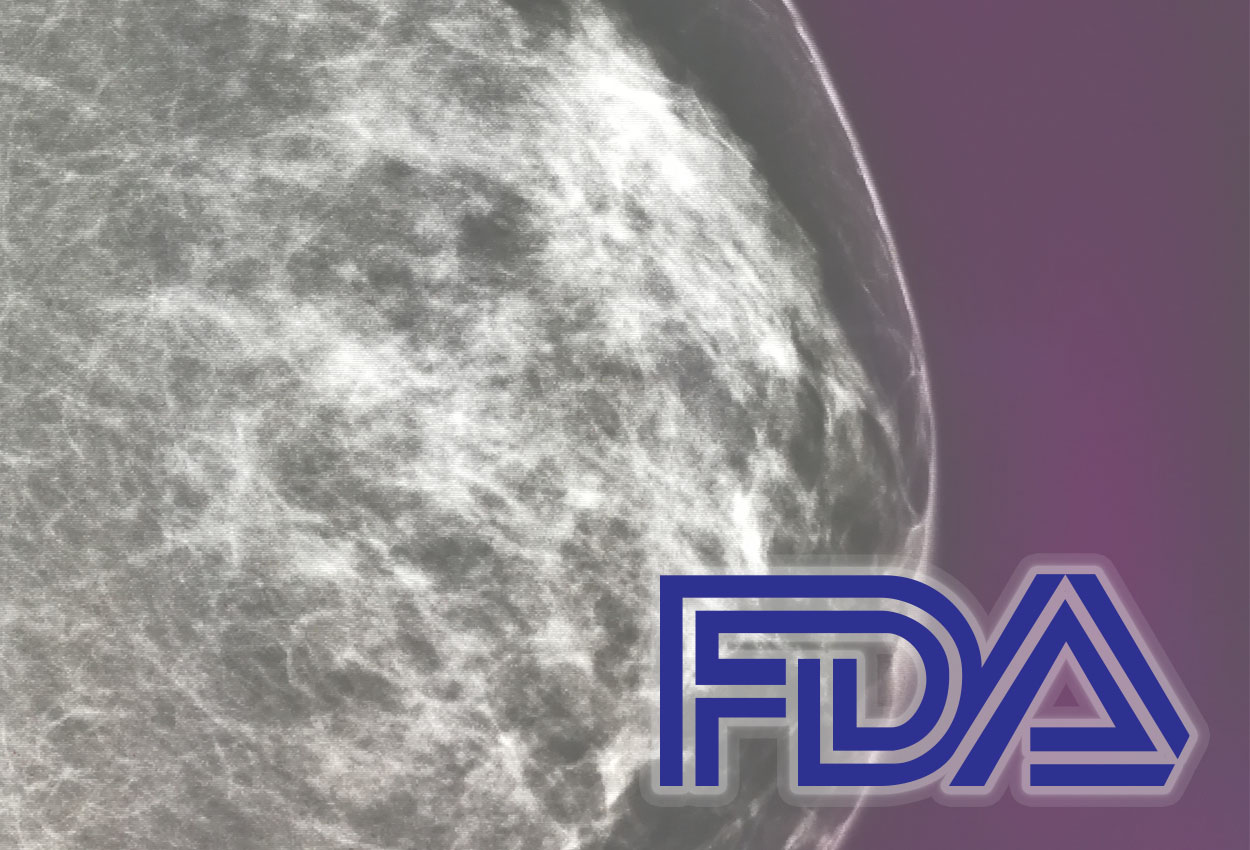
The new Food and Drug Administration (FDA) breast density notification legislation will become effective nationally starting September 10, 2024. In this federally mandated requirement patients who...
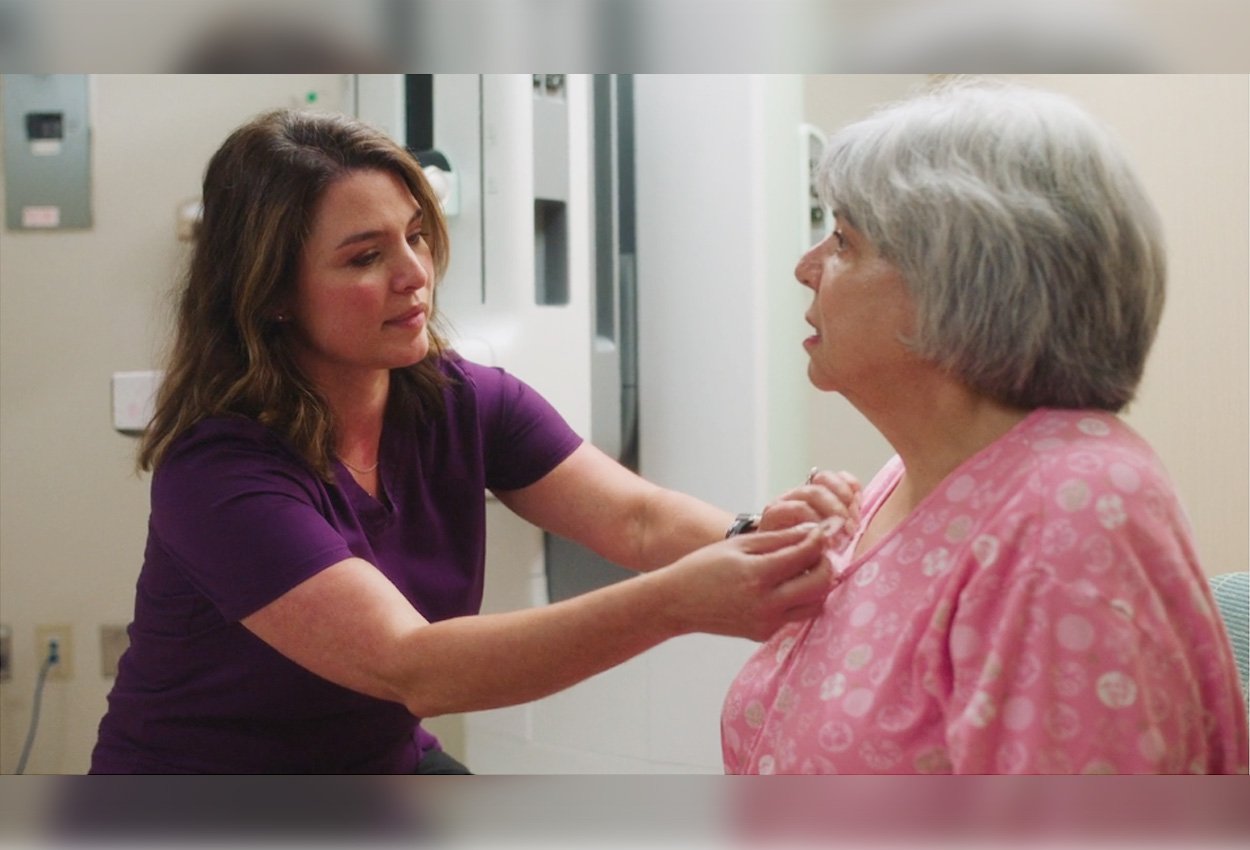
When patients or new staff members inquire why mammography skin markers are used in your breast imaging center what do you tell them? You know the Beekley Skin Marking System® for Mammography...

The benefits of mammography are well documented and widely understood. Following a screening mammogram, the patient may be called back for additional imaging to further investigate the findings. Some...
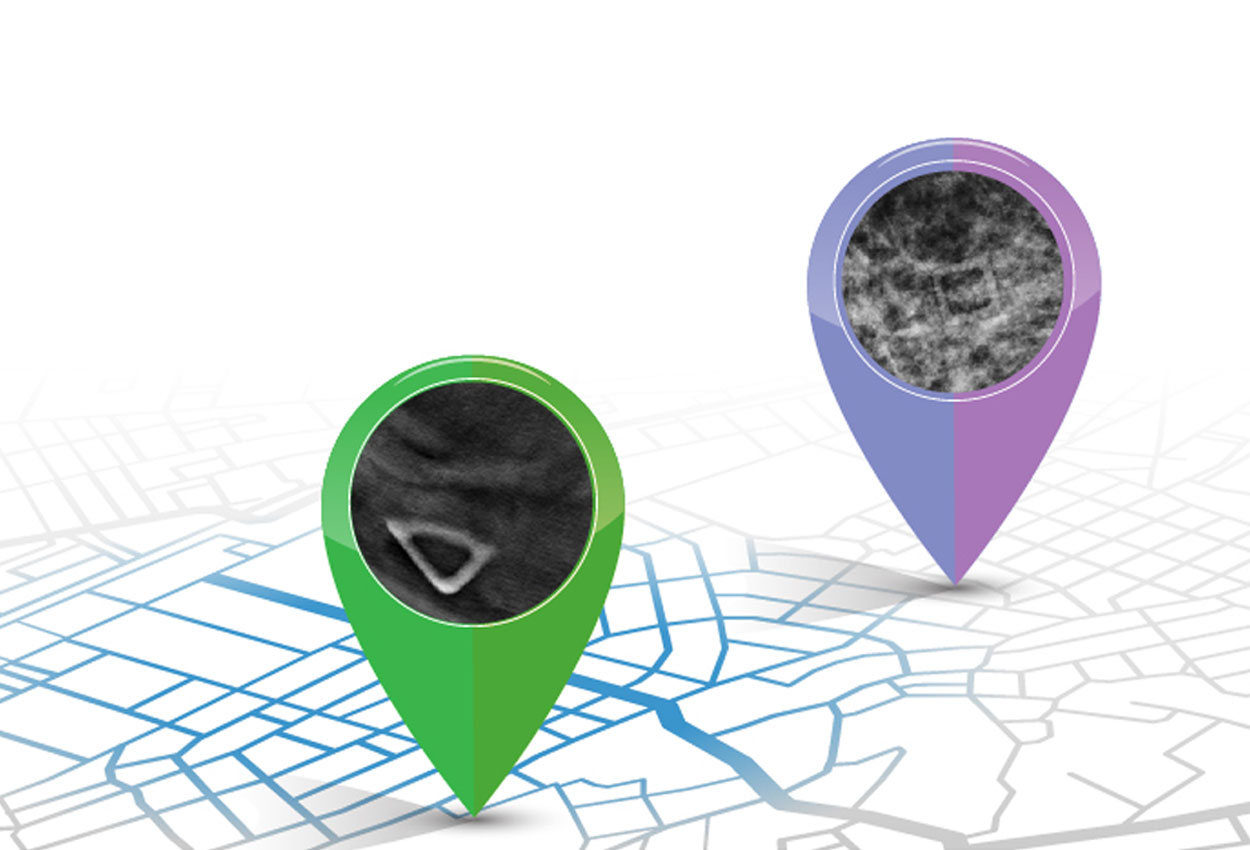
This past June, we introduced Dr. Joseph C. Benjamin, specialist in breast imaging and lead interpreting physician for mammography within the Mercy Health System in Ohio. In his paper, “Skin Marking...

This past June, we introduced Dr. Joseph C. Benjamin, specialist in breast imaging and lead interpreting physician for mammography within the Mercy Health System in Ohio. In his paper, “Skin Marking...

Over the past few months, we have introduced Dr. Joseph C. Benjamin, specialist in breast imaging and lead interpreting physician for mammography within the Mercy Health system in Ohio.

We introduced Dr. Joseph C. Benjamin, specialist in breast imaging and lead interpreting physician for mammography within the Mercy Health system in Ohio in aprevious blog postregarding the...
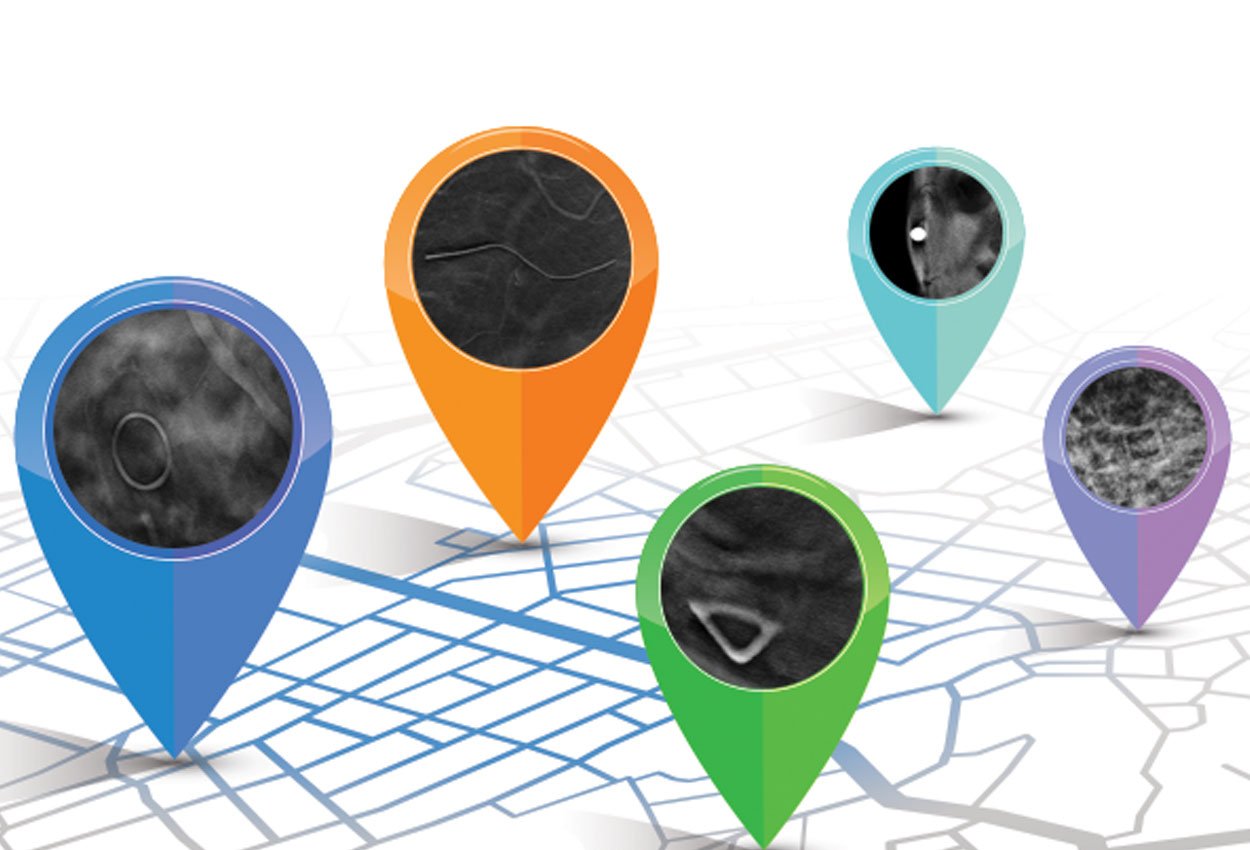
Joseph C. Benjamin, MD, is a specialist in breast imaging and lead interpreting physician for mammography within theMercy Healthsystem in Ohio.