
A chief radiation therapist recently stopped by the Beekley Medical booth at AAMD with a very specific reason for wanting to see InkRight® Semi-Permanent Tattoos. She had recently experienced a needle stick incident. We don't know that the incident occurred during patient marking, but the experience had made the idea of a needle free approach…

BeekSpeak - The Voice of Beekley Medical

A chief radiation therapist recently stopped by the Beekley Medical booth at AAMD with a very specific reason for wanting to see InkRight® Semi-Permanent Tattoos. She had recently experienced a...

There are plenty of stressors in healthcare that everyone talks about: demanding workloads, long shifts, staffing shortages, emotional fatigue, and the pressure of caring for patients through...

A patient is apprehensive before a procedure. Another is dealing with queasiness during treatment. An older adult is restless in an unfamiliar environment. For the nurse caring for them, the question...

You find out the oral contrast product your department routinely uses isn’t available. Cases are still on the schedule. Patients are still coming in. And now your team needs an alternative that works...

It’s 7:30 a.m., and the reading list is already building. A breast imaging radiologist logs into the workstation, coffee still warm, and begins scrolling through the first DBT exam of the day. Many...

For a CT technologist, the start of an enterography exam can be a familiar scene: a busy schedule, prep instructions to explain, and a patient looking at what they're expected to drink before they...
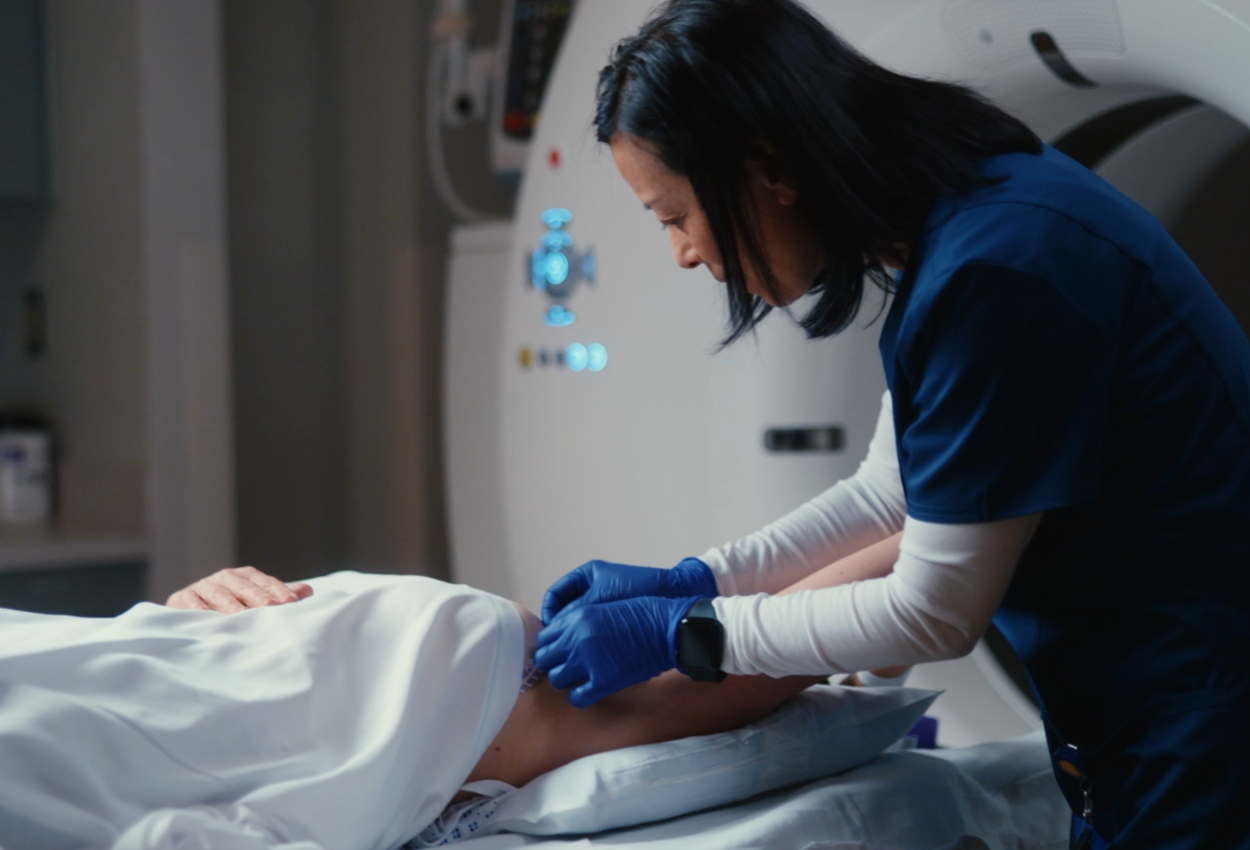
Radiation therapy planning is getting faster. More automation, templated workflows, and increasingly sophisticated planning tools are helping departments streamline the planning process and manage...
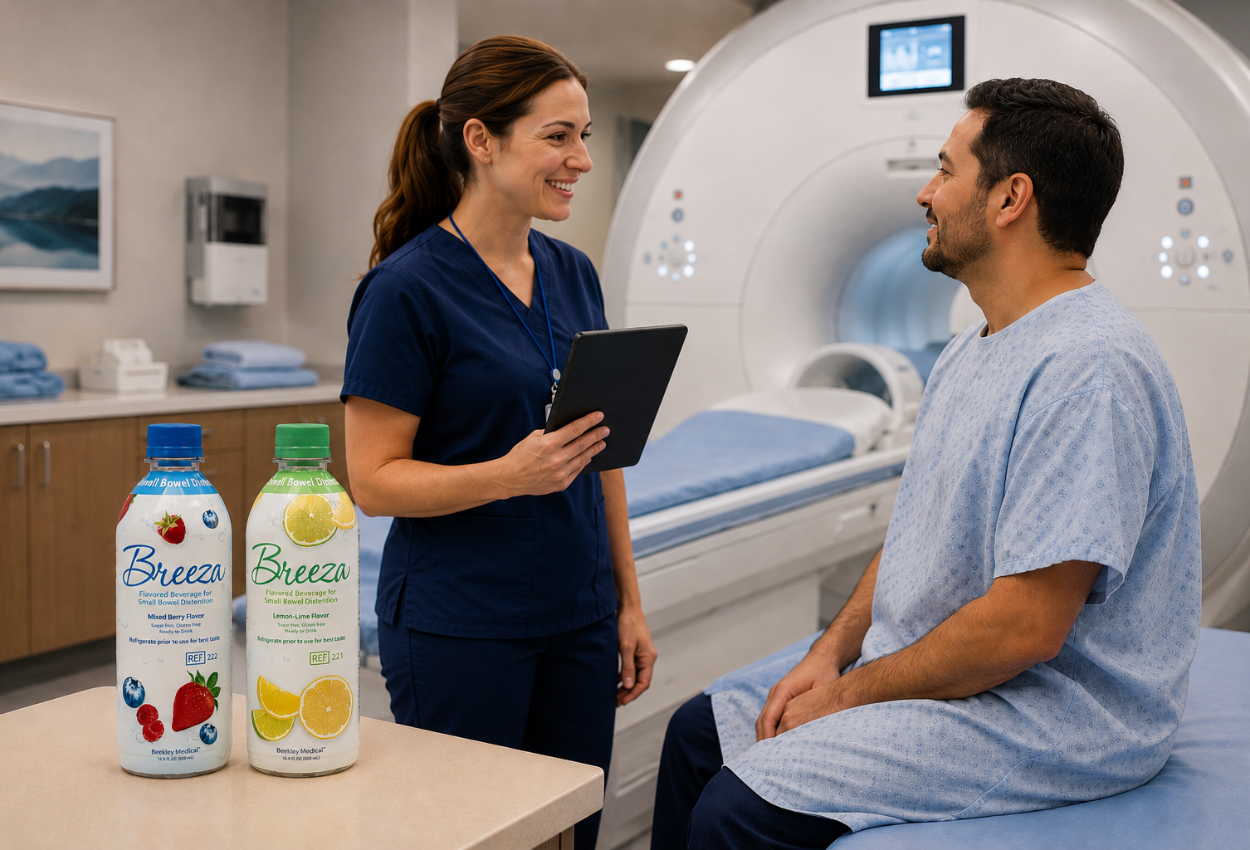
As radiologic technologists, we know that the success of MR enterography starts well beforethe patient goes into the magnet. It begins in the prep room, the moment a patient is handedtheir beverage...
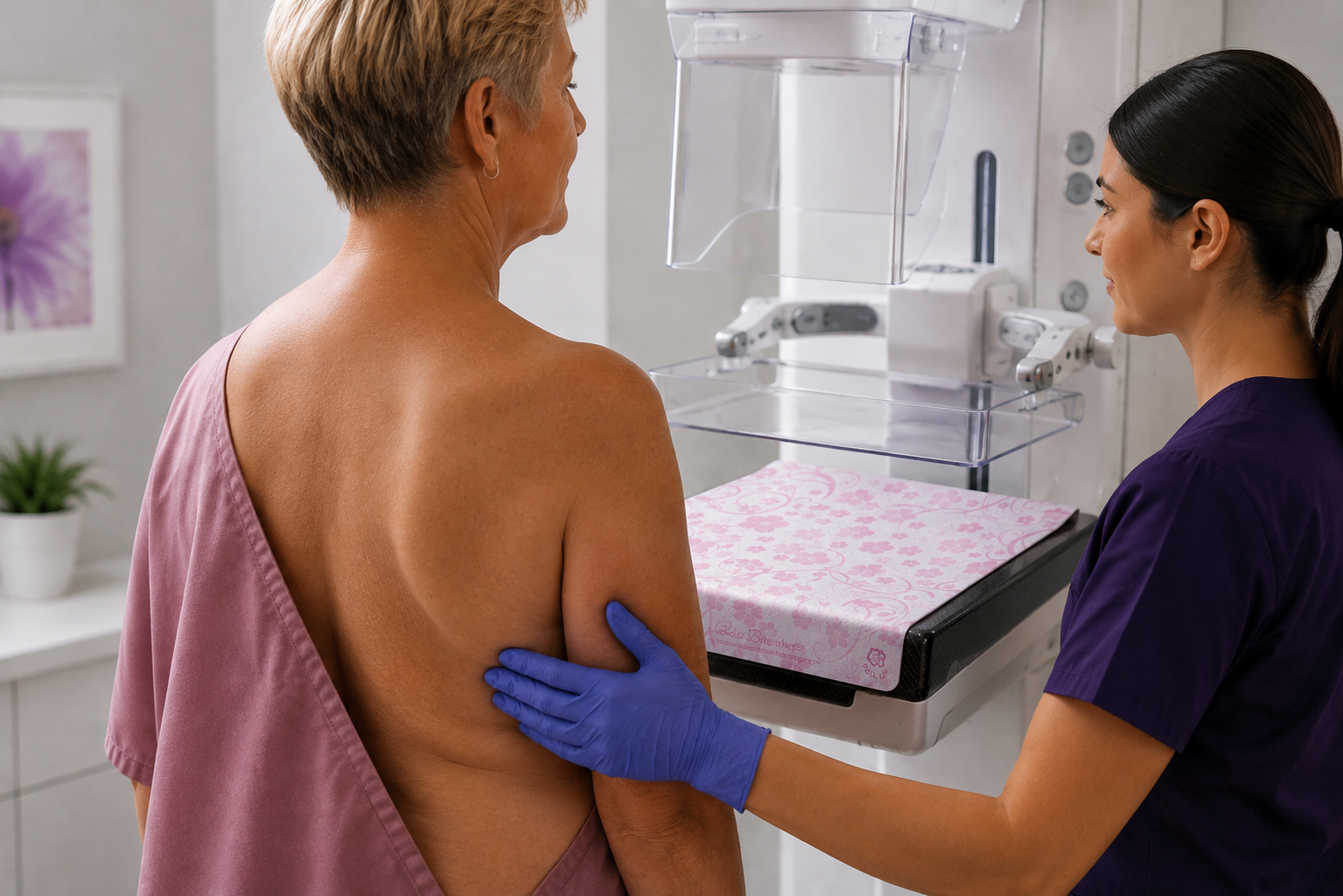
With GLP-1 medications such as semaglutide (Ozempic®, Wegovy®) and tirzepatide (Mounjaro®, Zepbound®) becoming widely used for weight management, more patients may be experiencing significant changes...