
Radiation therapy planning is getting faster. More automation, templated workflows, and increasingly sophisticated planning tools are helping departments streamline the planning process and manage...
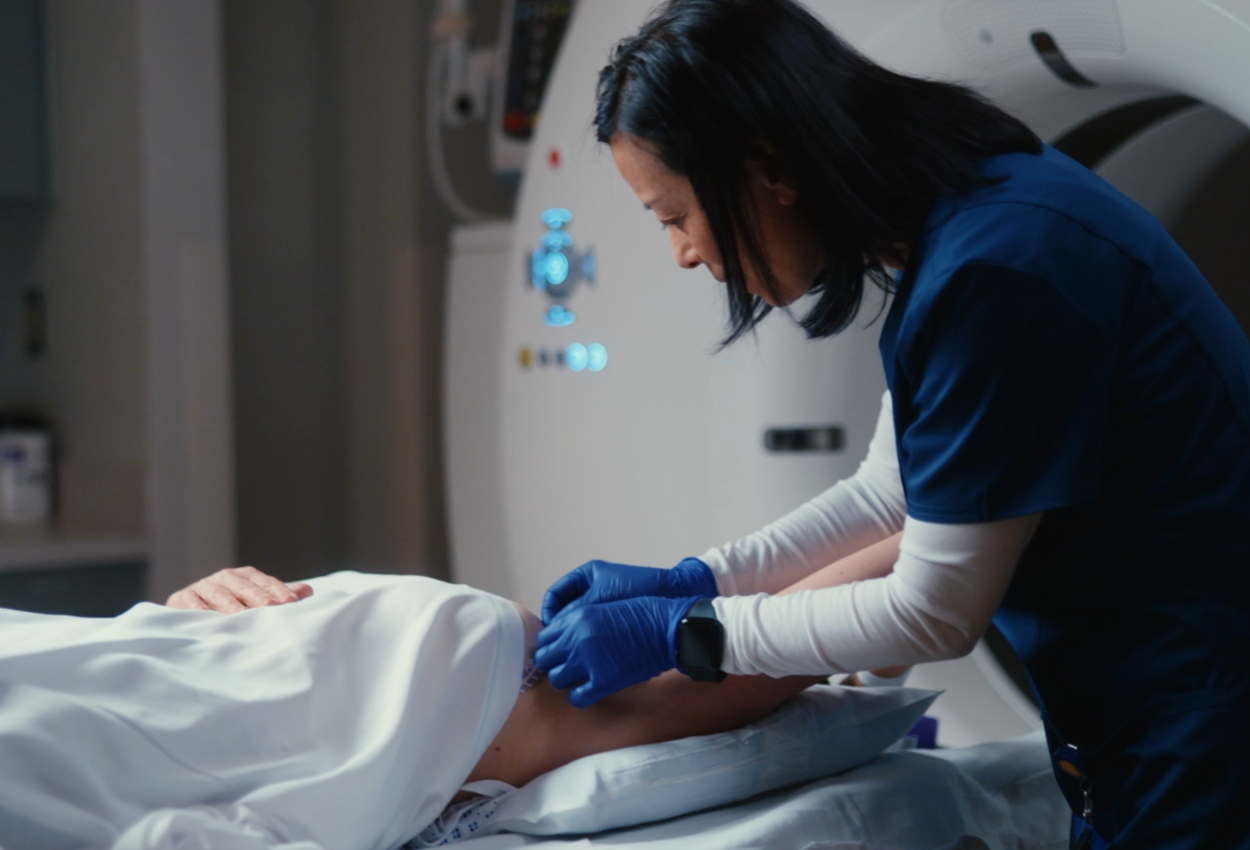

In a recent blog, we explored how patient discomfort and the realities of everyday life can quietly affect setup precision. The next question is: How can departments help support more consistent...
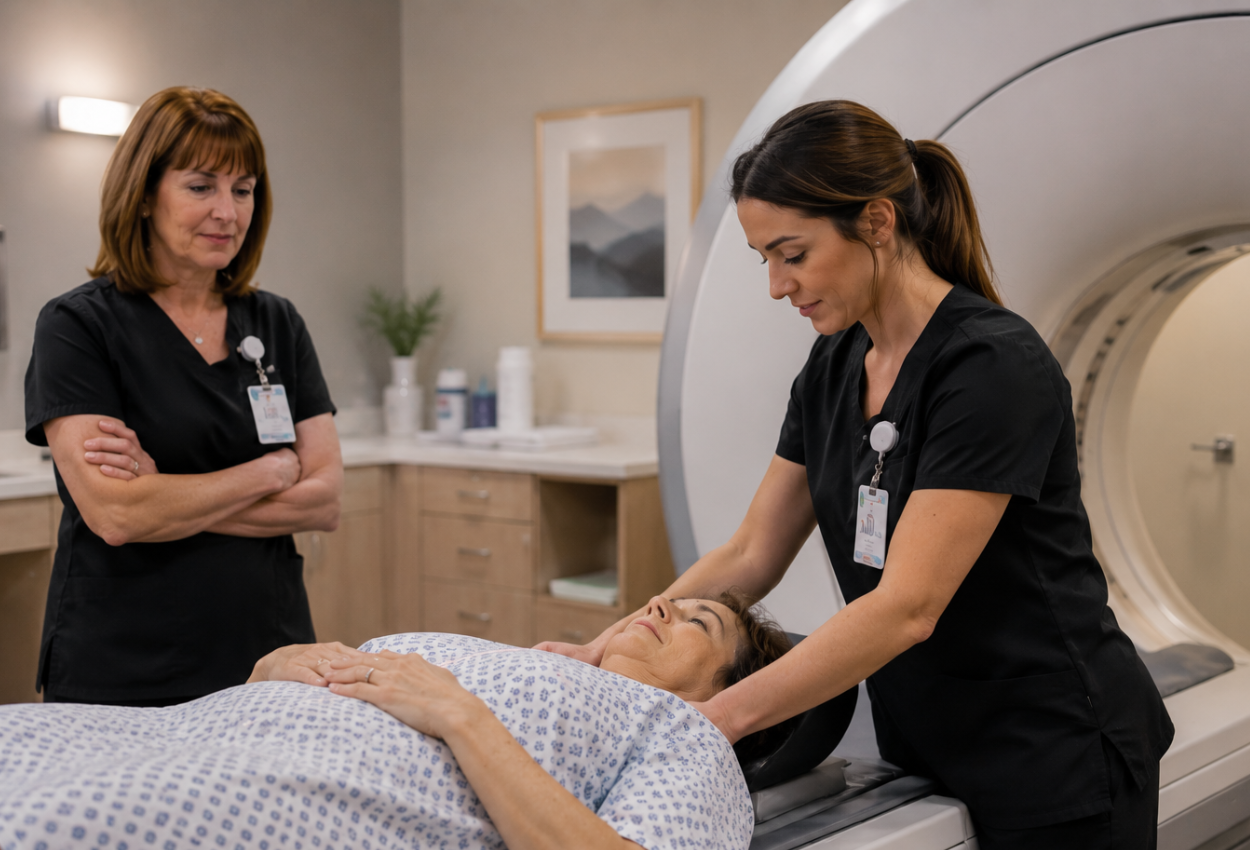
Every department has one. The therapist everyone goes to with questions. The person who remembers why a protocol changed five years ago. The one who can spot a potential setup issue before anyone...

Radiation therapists know that some of the most important conversations during CT simulation are not always about treatment itself. Patients arrive with questions about timing, side effects, and what...
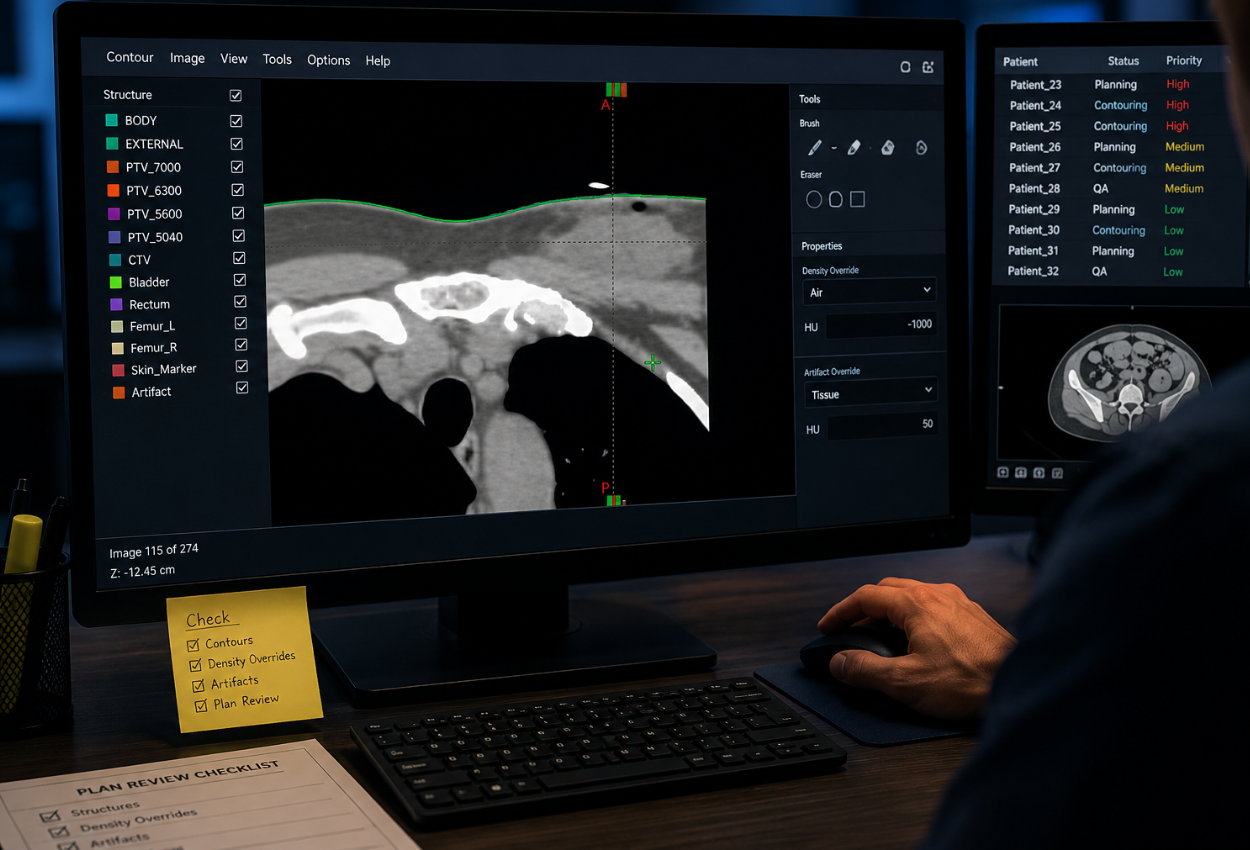
Dear Dosimetrist, First, thank you. Thank you for somehow turning my simulation scans into clinically elegant treatment plans while surviving an inbox full of “quick" questions, last-minute schedule...

When it comes to radiation therapy set-up marks, one question continues to come up across departments: Should we be using permanent tattoos or temporary marks? The answer has always been: it depends....
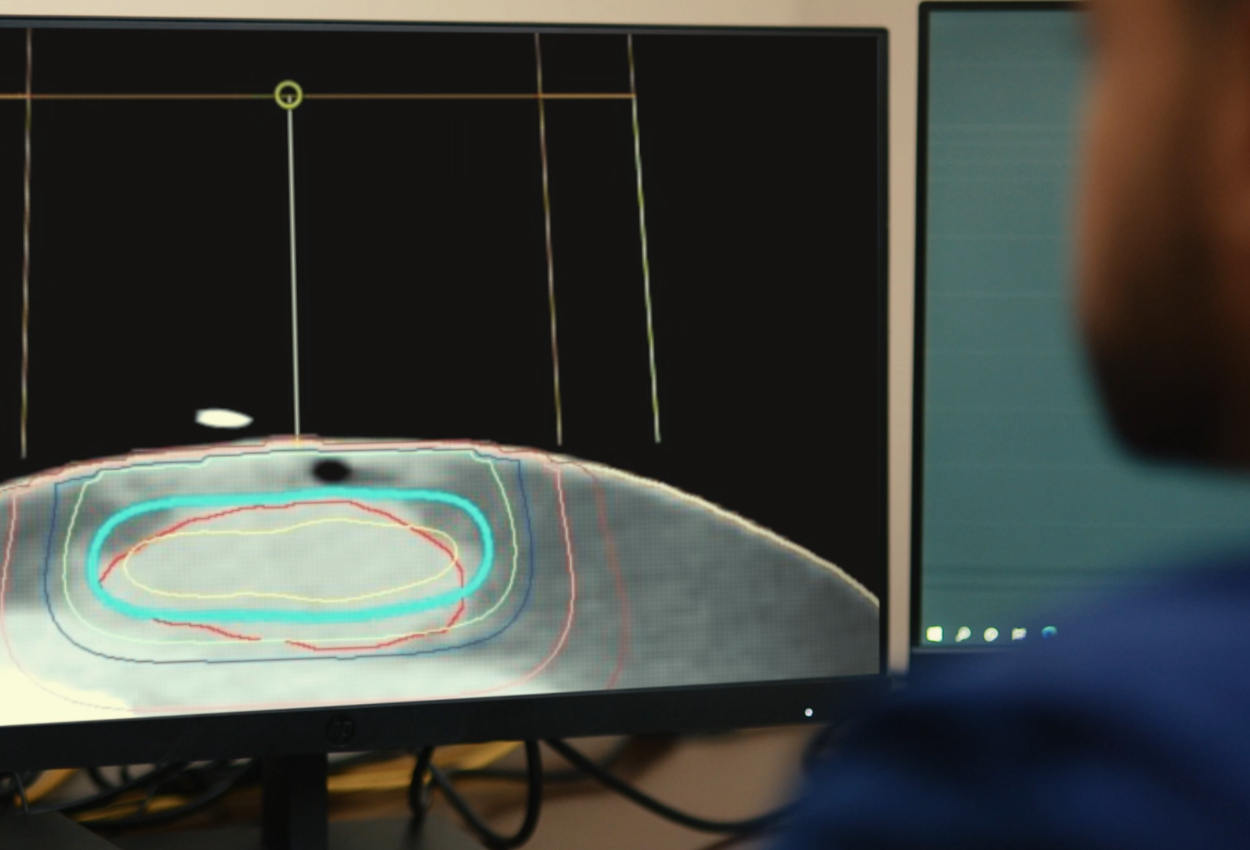
In radiation oncology, medical physicists work hard to protect dose calculation accuracy. Commissioning, algorithm validation, imaging QA, and machine performance are all tightly controlled.But...
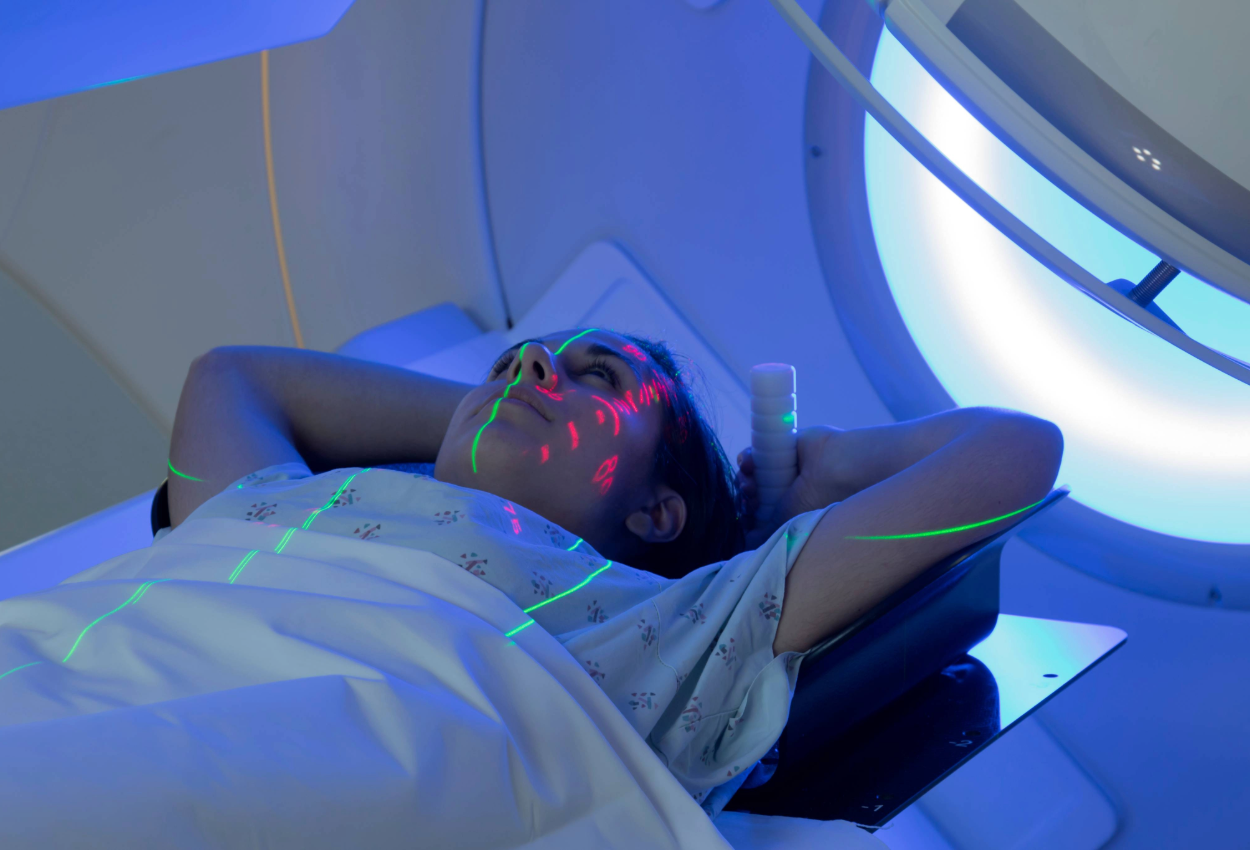
Radiation therapy depends on repeatability. What’s established at simulation needs to show up the same way every day. Most of the time it does but small, human factors can quietly get in the way. One...
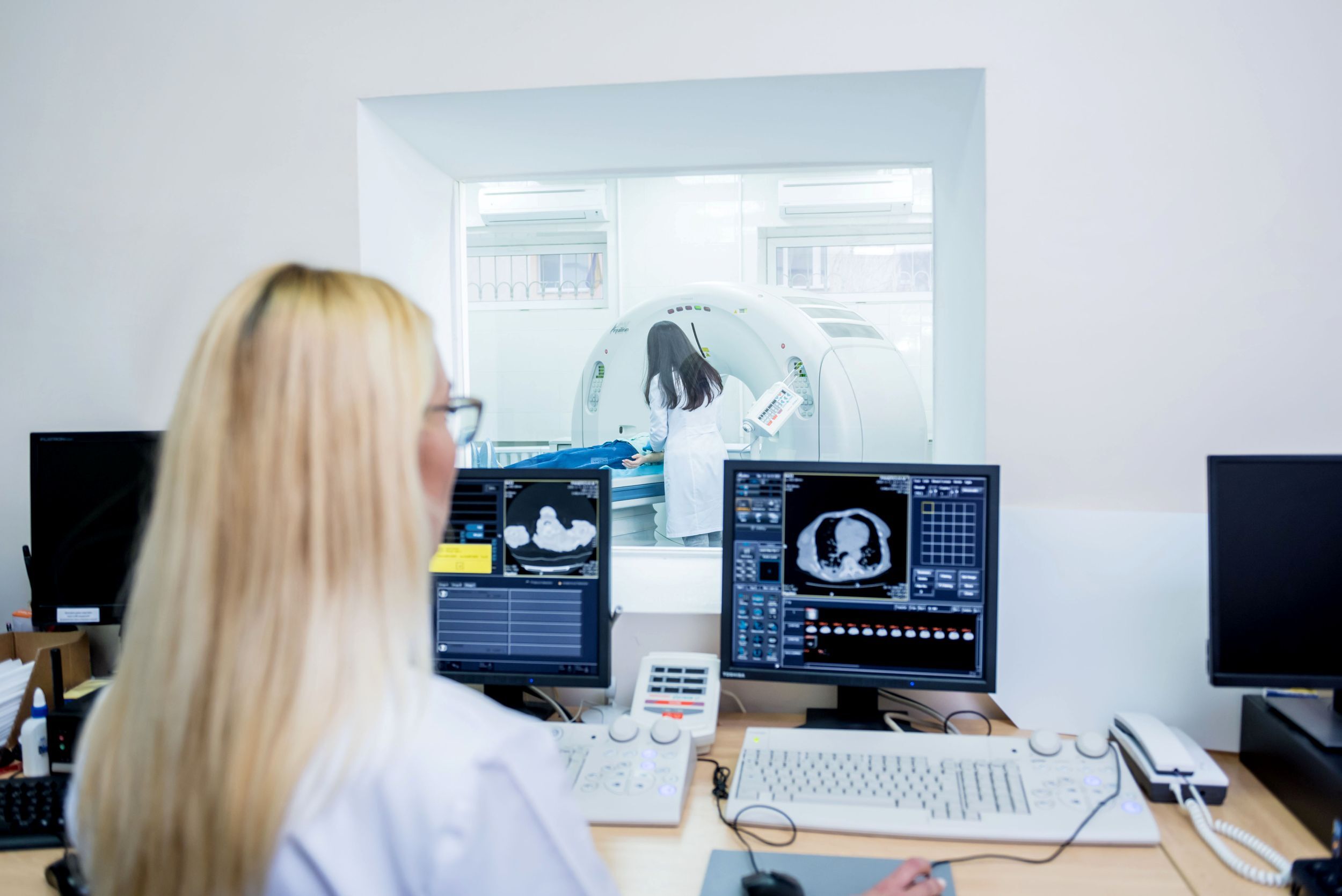
As a new year begins, many radiation oncology teams reflect on what is working well and where small refinements could make a meaningful difference. With the continued growth of AI driven planning,...