
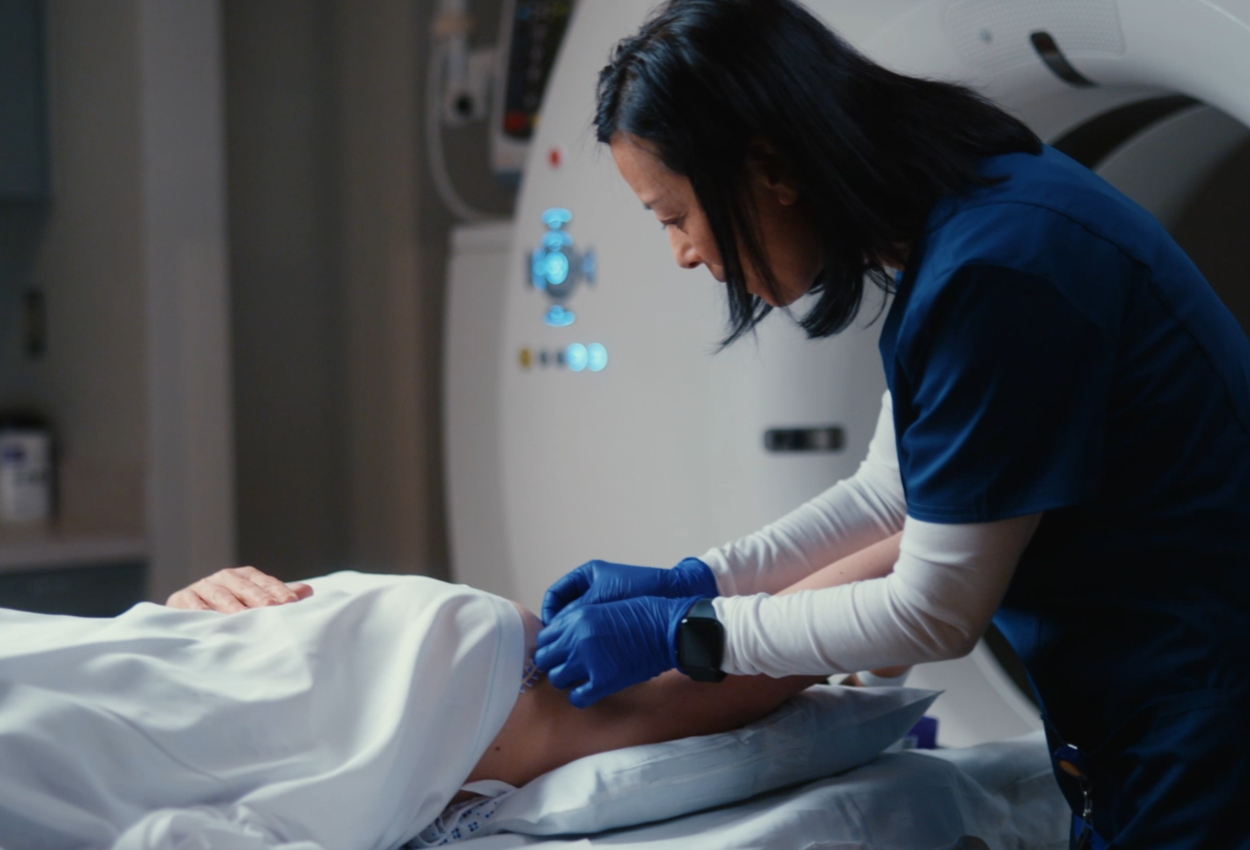
 Radiation therapy planning is getting faster. More automation, templated workflows, and increasingly sophisticated planning tools are helping departments streamline the planning process and manage growing demands.
But even as technology gets smarter, some surprisingly manual steps remain.
Take something as simple as the skin marker used during CT simulation. If a conventional marker is included in the automatic body contour, a dosimetrist will need to manually contour it out and then smooth the divot left behind in the skin line.
An elevated skin marker like RT-SPOT® Skin Markers for CT Simulation is designed to help avoid that step. By staying outside the automatic body contour while still clearly identifying the area of interest on the CT image, RT-SPOT can help give the planning team a cleaner starting point.
It’s a small choice made at simulation. But as the rest of treatment planning becomes more efficient, small choices like this may be worth another look.
Planning Is Getting Smarter. What About the Small Manual Steps?
One theme we heard at AAMD this year was the continued evolution of treatment planning. Planning is becoming faster, more templated, and more automated, helping departments support higher patient volumes.
At the same time, conversations with dosimetrists revealed another frustration: cleaning up skin markers. 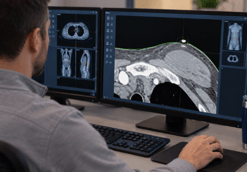
It isn't necessarily a huge task on a single treatment plan. But that's also what makes these smaller workflow frustrations easy to overlook.
When technology helps to eliminate steps and speed up other parts of planning, repetitive manual work that could potentially be avoided starts to stand out a little more.
Planning Efficiency Starts at Simulation
It’s easy to think about planning efficiency in terms of the treatment planning system itself. But that workflow begins before the images ever reach the dosimetrist.
What happens during CT simulation becomes part of what the planning team receives. That doesn’t mean every manual step can or should disappear. Clinical judgment and the expertise of the people behind the technology will always matter.
But as departments modernize, there’s an opportunity to look at some of the smaller steps that technology alone won't eliminate and ask: Are we creating work downstream that could have been avoided upstream?
Skin markers are one example.
RT-SPOT's elevated design helps exclude the marker from the automatic body contour, reducing the need for the dosimetrist to manually contour out a conventional marker and repair the resulting skin-line divot.
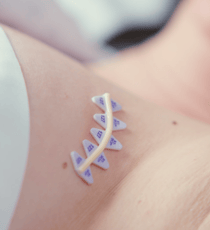
It isn't about dramatically changing the planning process. It's about removing one repetitive step that may not need to be there.
And regardless of the planning platform, there’s value in giving the planning team clean, useful information from the start. That makes simulation part of the efficiency conversation as well.
Sometimes the Next Workflow Improvement Is a Small One
When we talk about advances in radiation therapy, it's easy to focus on the big things: automation, new treatment techniques, sophisticated planning systems, and technology designed to help teams work faster and more efficiently.
Those advances matter. But improving a workflow doesn't always require a major technology change.
Sometimes it's noticing the small, repetitive tasks that have simply become part of the routine and asking whether they still need to be there.
For a dosimetrist who no longer has to stop, contour out a marker, and repair the skin line, that may mean one less unnecessary step between simulation and a treatment-ready plan.
As treatment planning gets smarter and faster, efficiency isn't only about the planning system. Sometimes it starts with one small decision made at simulation.
Learn more about RT-SPOT® Skin Markers for CT Simulation and how they’re designed with the planning workflow in mind.