
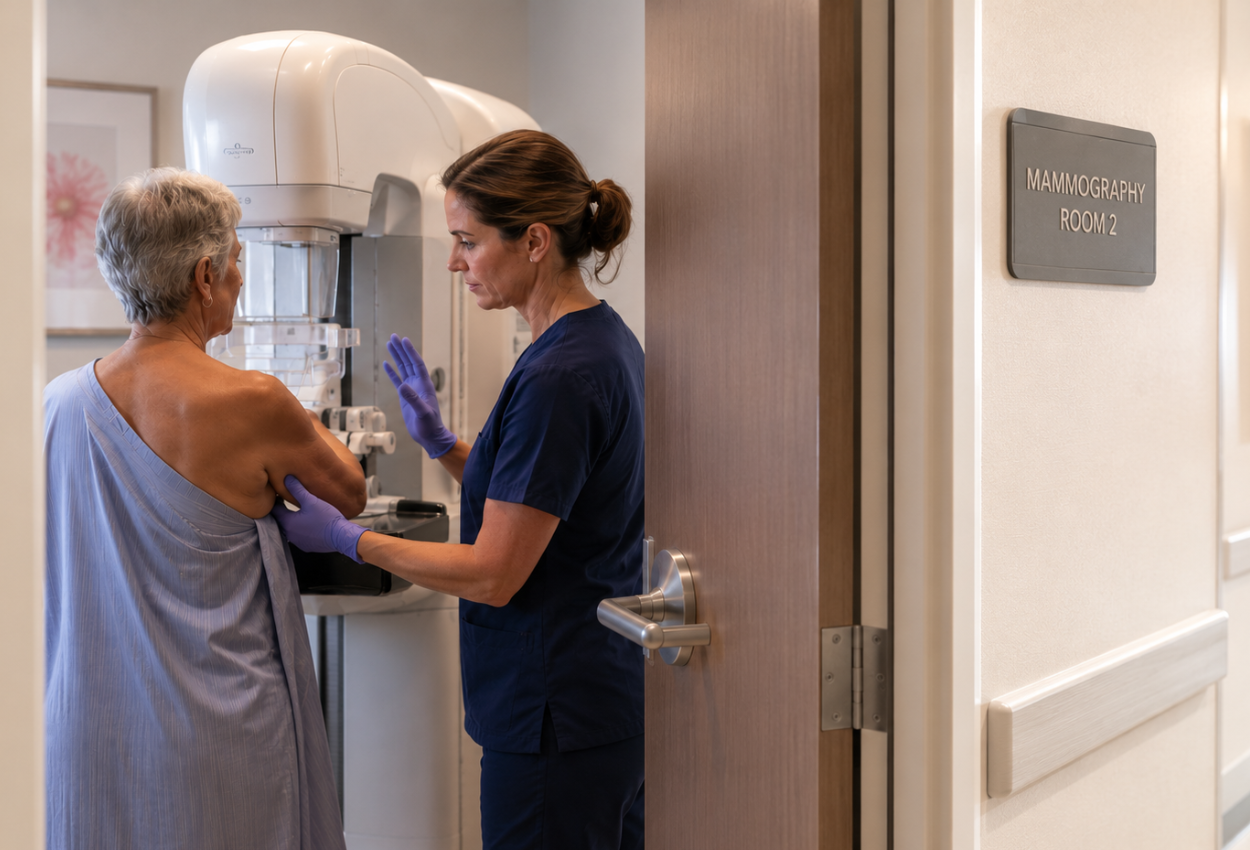
 It was supposed to be a routine mammogram. A technologist brought her patient into the room: an older woman who had clearly been through a lot. Frail skin, slightly stooped posture, the kind of patient every mammographer approaches with a little extra care. Positioning began the way it always does. The technologist gently lifted and positioned the breast, guiding the patient forward toward the receptor plate. But as she adjusted the patient slightly closer to the chest wall, she paused. She could see the skin underneath the breast beginning to pull.
Anyone who works in breast imaging knows that moment. One small adjustment, the kind that happens dozens of times a day, can suddenly become something else entirely. A skin tear.
The technologist stopped and repositioned carefully, using a Bella Blanket before completing the exam. The patient remained comfortable, the skin stayed intact, and the images came out beautifully.
The Parts of Mammography We Don’t Talk About Enough
When people outside of imaging talk about mammography, the conversation usually revolves around technology. Better detectors, artificial intelligence, and tomosynthesis often take center stage. All of those advancements matter, but anyone managing a breast imaging department knows the real challenge rarely starts with the equipment.
It starts with people…and positioning.
Positioning determines whether you capture the tissue you need, whether the patient can tolerate the exam, and whether the technologist can obtain the image on the first attempt. It is also the moment where complications can occur. Fragile skin, perspiration, lack of mobility, or a patient who is anxious and unable to relax can all make positioning more difficult.
When breast tissue sticks to the receptor plate during compression, that is when injuries like skin tears can occur. These are the moments technologists carry with them long after the exam is finished.
Why Small Details Matter
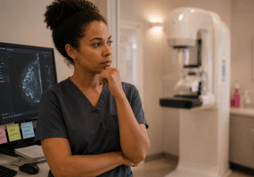 Imaging leaders often track repeat rates, compliance metrics, and quality indicators, but technologists experience the small moments that rarely appear in reports. They remember the patient whose skin began to pull, the patient who slid back during compression, or the patient who was so nervous that positioning became more difficult than usual.
Those moments matter because when positioning becomes harder, two things can happen. Either you lose valuable breast tissue on the image, or you risk causing discomfort or injury to the patient.
Neither outcome is acceptable.
The goal of every mammogram is not simply to capture an image. The goal is to capture the best possible image while protecting the patient at the same time.
When Positioning Improves, Everything Improves
Sometimes a simple change can make a meaningful difference. Bella Blankets® protective coverlets were designed to help technologists stabilize the breast during positioning, holding the breast in place where the mammographer positions it. 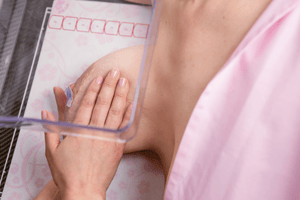
Many technologists quickly notice another benefit as well. The coverlet helps prevent skin from sticking to the receptor plate, which can lower the risk of skin tears during positioning. With better support during the exam, technologists can focus on achieving proper positioning rather than constantly correcting for movement or tissue loss.
The results show up in the images. Clinical comparisons across imaging centers found that more than half of mammograms showed increased tissue acquisition when Bella Blankets were used, with an average increase of 0.61 cm of tissue captured on each image.
In breast imaging, a few millimeters can make a real difference.
Leadership Means Protecting Both Image Quality and Patients
Radiology Supervisors understand something that is rarely written into protocols: Technologists are balancing multiple priorities in every exam room. They must consider patient comfort, positioning accuracy, image quality, and safety, all within a short appointment window.
When leaders provide tools that help technologists protect patients, they are supporting their staff and strengthening the quality of care their department delivers.
In the end, imaging quality does not come down to one machine or one moment. It comes from the many small decisions made every day that support technologists and protect patients.
Because in breast imaging, the principle remains the same: Better positioning means better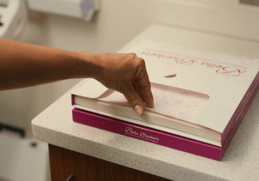 imaging. And sometimes, better positioning means preventing the moment that almost became a skin tear.
And the Day Continued
The technologist finished the exam and helped the patient step away from the unit. The patient smiled, thanked her, and said the experience was much more comfortable than she expected. There were no complications, no discomfort, and no interruptions to the schedule.
The images looked great. The patient left reassured. The technologist moved on to the next appointment. And the day continued the way it should in a well-run imaging department: smoothly, calmly, and right on schedule. No incident reports. No delays. No skin tear. Just another successful exam, a patient who felt cared for, and a team able to focus on what matters most.
Read more about how Bella Blankets help with skin tears in the white paper: Improving the Mammography Experience: How Bella Blankets Help Eliminate Skin Tears