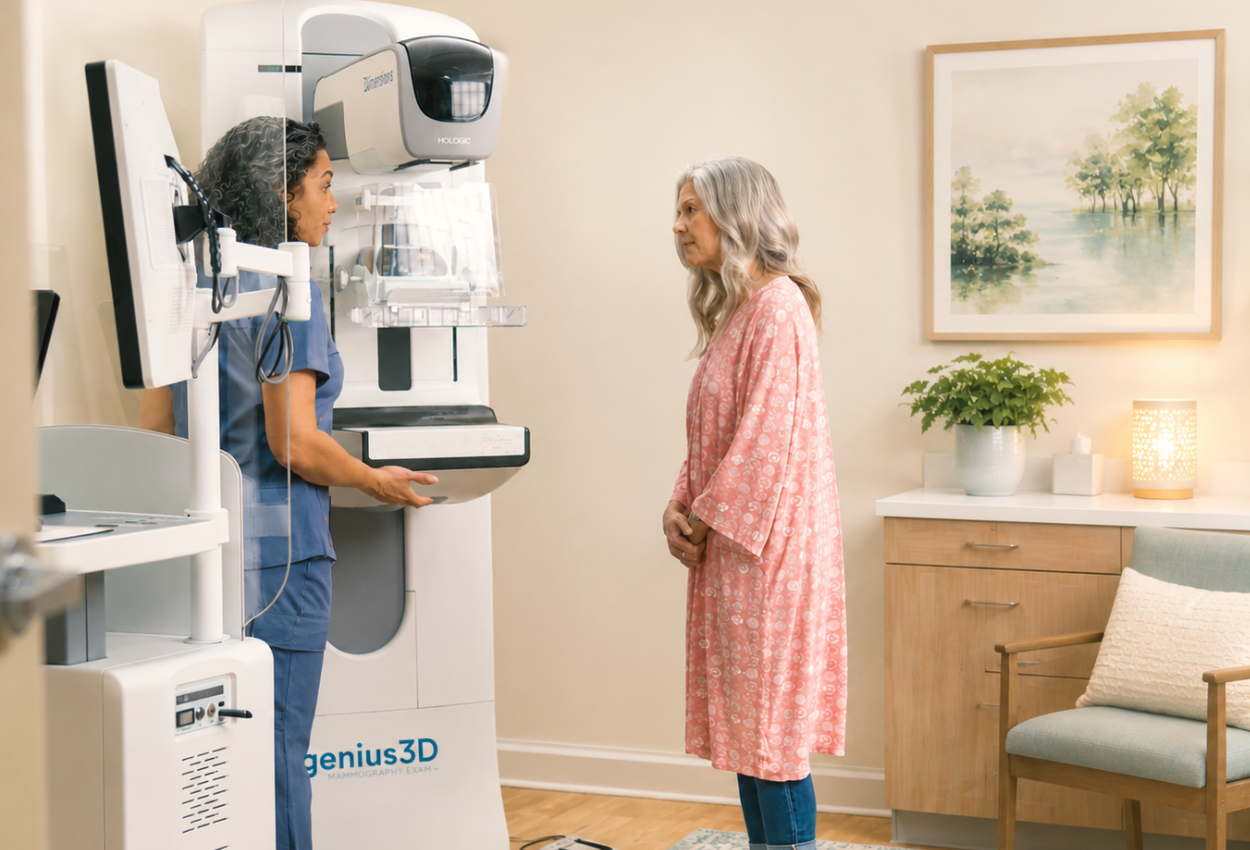
 The entire tone of a room can be changed by a patient who is extremely nervous and presenting for her mammogram. Anxiousness can make positioning more difficult, increase tension during compression, slow workflow, and turn what should be a routine screening into a stressful experience for both the patient and the technologist.
For mammography technologists, helping patients feel calmer and more comfortable is not just about kindness, it can directly affect cooperation, image quality, and how smoothly the appointment goes.
That is why small comfort-focused changes inside the mammography room can make such a meaningful difference. Simple tools that help patients feel more at ease may also help technologists perform more efficient exams with less stress and resistance during positioning.
We asked Dr. Tchaiko Parris MD, PhD, Medical Director of Mammography & Breast Cancer Prevention at ImageONE, how she approaches conversations with hesitant patients and what imaging teams can do to help women feel more comfortable with screening.
Why Fear Still Prevents Women From Getting Mammograms
“The recommended age for an average-risk woman to begin screening mammography is now 40,” says Dr. Parris. “This is collectively supported by organizations including the American Cancer Society, National Comprehensive Cancer Network, and United States Preventive Services Task Force.”
 Despite those recommendations, anxiousness remains one of the biggest reasons women delay screening. According to Dr. Parris, many patients worry about breast compression, being called back for additional imaging, or the possibility of needing a biopsy.
“Although these are possible outcomes from having a mammogram, the life years gained and cancer-related deaths averted are a greater benefit,” she explains.
Dr. Parris emphasizes that early detection remains one of the most important tools in improving breast cancer outcomes. Mammograms can detect cancers before they are large enough to feel or cause symptoms, helping improve survival and reduce the need for more extensive treatment later.
For technologists, these fears expressed by patients are not uncommon. Patients experiencing mammogram-related anxiousness may struggle more during positioning and compression, making the exam more physically and emotionally challenging for both the patient and the technologist.
Creating a More Comfortable Mammography Experience
Most mammography technologists have developed their own ways of reassuring hesitant patients over the years, whether that means talking patients through each step, slowing the pace of the exam, or simply recognizing when someone needs extra reassurance.
Creating a calmer mammography experience often comes down to addressing both psychological and physical discomforts.
Elequil Aromatabs® aromatherapy provides a simple, non-pharmacological way to address the psychological discomforts of patients. Applied directly to the patient’s gown, the aromatherapy benefits of the Elequil Aromatabs work quickly to calm the patient. This calming effect has been shown to be beneficial to many patients, especially those presenting for their first mammogram who are extremely nervous. For nervous patients, even small reductions in anxiousness can help improve cooperation and make the overall experience feel less intimidating.
To experience physical discomfort during the compression phase of the mammogram can be uncomfortable for some patients. The detector might feel too cold and has the potential to cause a skin tear by skin sticking to the plate. Therefore, physical comfort matters too, especially during compression.
Using the Bella Blankets® protective coverlets, a soft barrier is created between the skin and the detector, which helps the mammogram feel less harsh while improving patient comfort. More relaxed patients are often easier to position, better able to tolerate compression, and less likely to tense or pull away during imaging, which can cause a skin tear. This helps the technologists to obtain quality images with less stress during the exam.
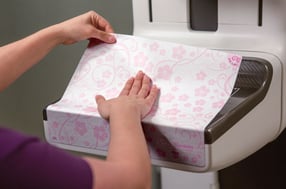
Bella Blankets can also help improve tissue immobilization and reduce skin folds, supporting both patient comfort and image quality at the same time.
Why Communication Still Matters Most
When patients are hesitant or fearful of having a mammogram, Dr. Parris believes the conversation should always begin with compassion and privacy.
 “If my technologist informs me that a patient is refusing to have a mammogram and would like to speak to me, I go and have the conversation. I try to find out what is leading to the refusal. Is it psychological or physical. I am against the idea of shaming patients because of the decision that they are choosing,” she explains. “I want them to remain in control while I discuss some of the pertinent information and key guidelines that I adhere to as I practice and what form of imaging would provide the best outcome for them.”
At Dr. Parris’ facility, many patients receive their mammography results within minutes of their exam, something she says helps reduce uncertainty and patient anxiousness.
“This rapid delivery of results, along with educating patients, has been shown to diminish anxiousness levels amongst women,” she says.
Combined with education, empathetic communication, and a supportive environment, these conversations can help patients feel more confident about returning for future screenings.
Fear and anxiousness may always be part of mammography for some patients, but the experience itself does not have to feel cold or overwhelming.
Through compassionate communication, calming tools like Elequil Aromatabs, and comfort-focused solutions like Bella Blankets, mammography technologists can help create a screening experience that feels more supportive from start to finish.
Because sometimes the difference between a missed screening and an early detection starts with how a patient feels walking into the room.
Helping Patients Feel More Comfortable Starts Here
If you would like to learn more about how Elequil Aromatabs and Bella Blankets can help improve comfort and reduce patient anxiousness during mammography, email info@beekley.com for more information or to request a sample.