
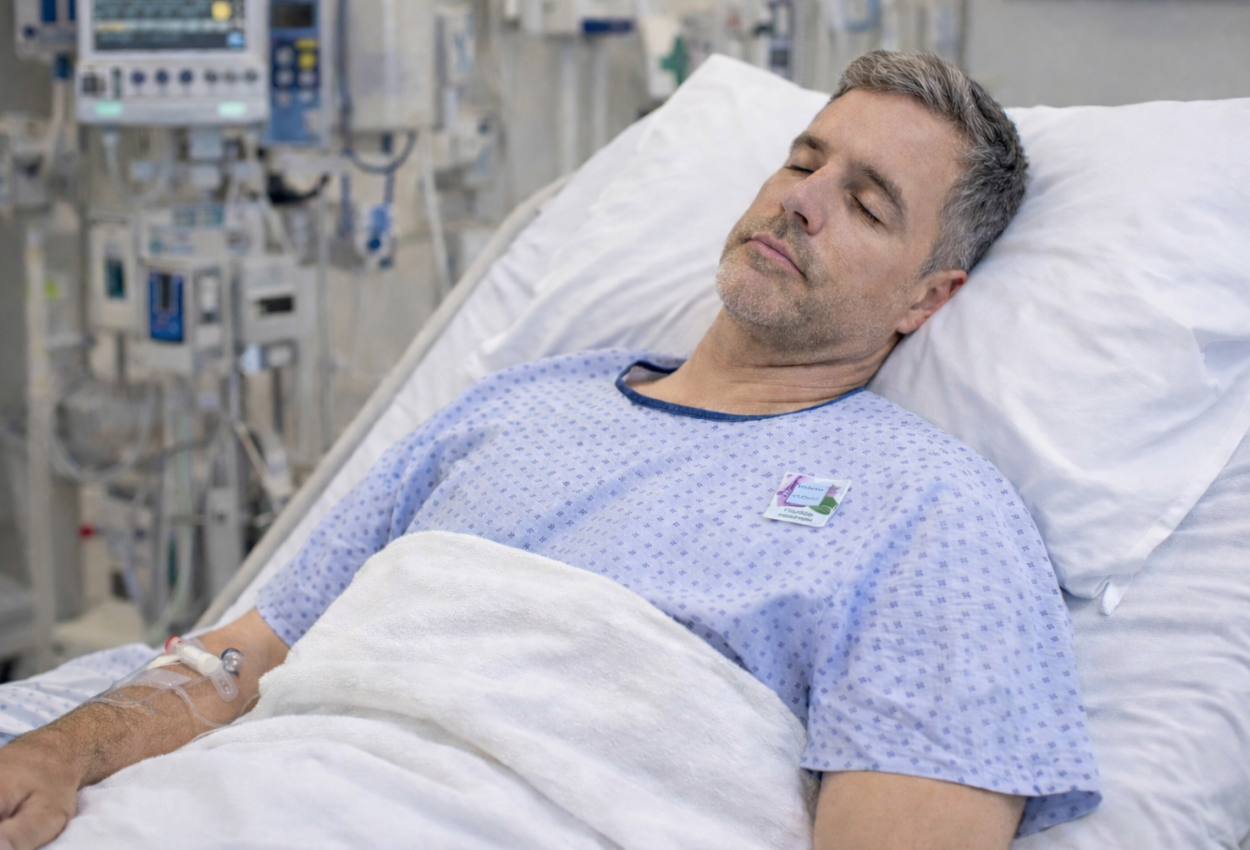
 Clinical aromatherapy is steadily gaining traction in hospitals, surgical centers, and outpatient clinics as healthcare teams look for safe, evidence-based, non-pharmacologic ways to support patient comfort. From pre-procedure nervousness to post-treatment discomfort, patients are increasingly seeking supportive options that feel both calming and clinically appropriate. But successful aromatherapy programs don’t begin with essential oils alone.
A successful aromatherapy program begins with structure, education, and leadership and that’s where nurse educators make a meaningful impact.
What Is Clinical Aromatherapy?
Clinical aromatherapy is the controlled use of essential oils within healthcare settings to help support anxiousness, queasiness, relaxation during pain.
Unlike retail or spa aromatherapy, clinical aromatherapy must fit into real-world workflows. It requires clear policies, staff training, safety oversight, and alignment with infection prevention standards. In a busy clinical environment, even well-intentioned comfort measures can fall apart without consistency and accountability and ease of use.
When implemented thoughtfully, clinical aromatherapy can become part of a broader patient-centered care strategy supporting both the physical and emotional experience of care.
Why Nurse Educators Are Essential to Aromatherapy Programs
Nurse educators play a central role in turning the idea of aromatherapy into a structured, sustainable clinical program.
They are often the ones asking the right questions:
- What does the clinically backed evidence say about aromatherapy for anxiousness/queasiness?
- Which patient populations are appropriate candidates?
- What are the contraindications?
- How should staff document its use?
- How will it fit into the workflow?
By reviewing research and aligning aromatherapy with facility standards, nurse educators ensure the program is grounded in evidence, not trends.
 Beyond research, they help build the operational foundation. This can include developing protocols, collaborating with infection prevention and risk management, and defining when and how aromatherapy should be offered. That structure protects both patients and staff while supporting consistency across departments.
Education is another critical component. Nurse educators train clinical teams on proper use, safety considerations, patient communication, and workflow integration. When nurses feel confident in how to introduce and administer aromatherapy, adoption improves and so does patient experience.
Just as importantly, nurse educators help reinforce appropriate expectations. Aromatherapy is a supportive modality, not a replacement for medical treatment. Framing it correctly ensures it enhances care rather than complicates it.
Supporting Standardized Clinical Delivery
One of the biggest challenges in informal aromatherapy programs is variability. Without standardized delivery methods, practices can differ from one unit to another, creating confusion and potential safety concerns.
That’s why many healthcare organizations look for clinical-friendly solutions that support
consistency.
Solutions like Elequil Aromatabs® Aromatherapy are designed specifically for healthcare.png?width=297&height=208&name=BeekSpeak%20Blog%20Body%20Image%20(9).png) settings, offering controlled, consistent delivery that can align more easily with established protocols. Standardized formats help simplify training, reduce variability, and support infection control practices making it easier for nurse educators to implement and sustain aromatherapy programs across teams.
settings, offering controlled, consistent delivery that can align more easily with established protocols. Standardized formats help simplify training, reduce variability, and support infection control practices making it easier for nurse educators to implement and sustain aromatherapy programs across teams.
When the delivery method is structured, it becomes much easier to focus on what matters most: patient comfort and safe care.
Sustaining Successful Aromatherapy Programs
Launching an aromatherapy initiative is only the first step. Sustaining it requires ongoing education, evaluation, and reinforcement.
Nurse educators often help track feedback from staff and patients, assess workflow integration, and refine training as needed. They ensure aromatherapy remains aligned with broader goals such as non-pharmacologic comfort strategies, patient satisfaction initiatives, and supportive care programs.
Beekley Medical® offers educational tools to Nurse Educators to help support their initiative with a staff educational video and assessment quiz, policy templates, patient and staff surveys, patient-facing posters, brochures, clinical data using Elequil Aromatabs, and other templates to measure success.
Clinical aromatherapy is about more than creating a pleasant environment. It offers patients a supportive option to help manage anxiousness, queasiness, pain, and stress during vulnerable moments in their healthcare journey.
When guided by nurse educators and supported by structured solutions, aromatherapy programs can become a lasting, meaningful part of patient-centered care.
To learn more about Elequil Aromatabs® Aromatherapy or to request your complimentary sample, email info@beekley.com