
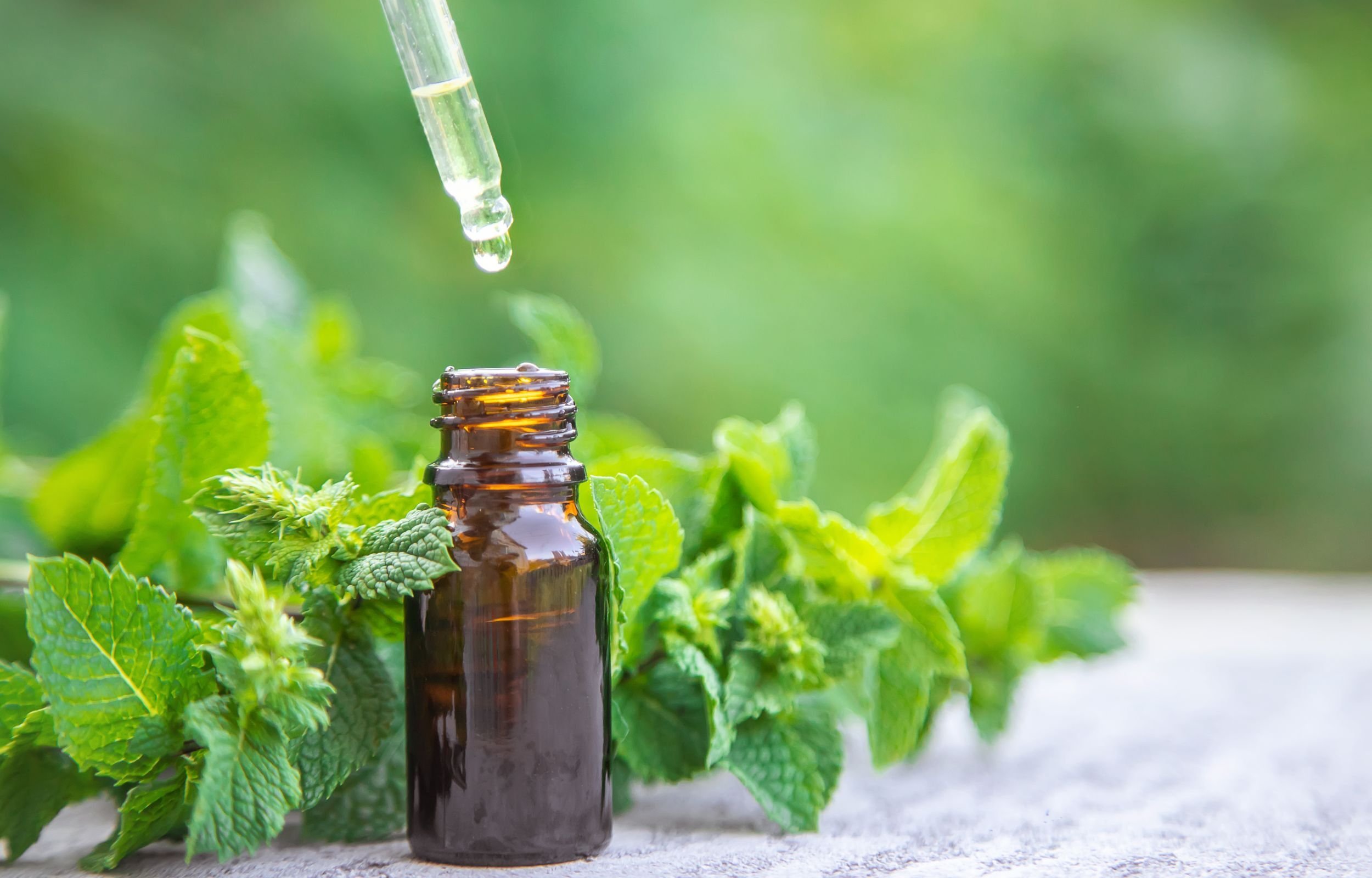
 Aromatherapy has rapidly become one of the most popular non-pharmacological nursing tools in modern healthcare. As critical care nurses began considering aromatherapy for their patients, there was concern regarding a well-known link between peppermint essential oil and cardiac dysrhythmias. Many clinical aromatherapists have been taught that using peppermint essential oil could result in atrial fibrillation (AF) and should be avoided. As it turns out, this concern is based entirely on outdated anecdotes rather than clinical evidence.
Where the Peppermint–Atrial Fibrillation Myth Began
The reference linking peppermint to atrial fibrillation traces back more than 60 years to a single source. In the leading reference for aromatherapy practitioners, Essential Oil Safety (1), authors Tisserand & Young cite evidence of a link between peppermint and “cardiac fibrillation”, more specifically, atrial fibrillation that occurred in 1962.
A 1962 Letter to the Editor of The Lancet.
 This correspondence by Thomas (2), described two adults with AF who consumed extremely large amounts of peppermint candy, one ate five packets a day and another ate a half a pound daily. Both were also taking quinidine, a common antiarrhythmic at the time.
The letter claimed their AF improved after the excessive consumption of peppermint candy was discontinued but offered no clinical data and no evidence that peppermint caused the dysrhythmia. This is not research, but rather two anecdotal observations of two very atypical patients.
There is a third mention of a patient in 1963 (3) with a very similar story, but it is possible this was one of the two patients mentioned above.
In the following 63 years there has been no mention in the available literature of any link between peppermint and the onset of atrial fibrillation. Despite the lack of evidence, these early anecdotes were repeated often enough to become part of aromatherapy cautionary lore, a caution that has persisted into modern practice.
What Modern Evidence Really Shows
.jpg?width=208&height=239&name=blog%20headers%20(97).jpg) Today, peppermint is one of the most widely used essential oils in healthcare, both orally (in everyday consumption) and in aromatherapy. If peppermint truly provoked atrial fibrillation, we would expect to see clear clinical patterns or published reports.
Today, peppermint is one of the most widely used essential oils in healthcare, both orally (in everyday consumption) and in aromatherapy. If peppermint truly provoked atrial fibrillation, we would expect to see clear clinical patterns or published reports.
Instead, there is significant data showing the safe use of peppermint essential oil in clinical situations. Researchers have evaluated peppermint aromatherapy in medically fragile populations, including monitored cardiac patients. Studies have examined its effects on sleep, anxiety, and physiological parameters, and none have identified an increased risk of AF.
Peppermint in Peer Reviewed Studies
In a 1999 cross-over placebo controlled study (4), patients were given a 100mg oral capsule of menthol or a placebo. Researchers found there was no increase in heart rate, in fact both groups experienced a slight decrease in heart rate, and there were no instances of spontaneous A-Fib noted.
Mahdavikian et al (5), assessed the effects of both lavender and peppermint on patients sleep patterns in 105 patients in the Cardiac ICU over 7 days. This 2020 study showed that both lavender and peppermint were more effective in helping cardiac patients sleep than placebo, with no adverse cardiac symptoms reported in these continuously monitored patients.
 The effect of peppermint essential oil on anxiousness was evaluated in a 2022 placebo controlled study (6) involving patients admitted to the ED with acute coronary syndrome. These patients were in the midst of an ischemic cardiac episode and were in acute distress. And while the introduction of peppermint resulted in a significant reduction in anxiousness scores, there was no significant change in heart rate or blood pressure in either the intervention group or the placebo group.
And finally, a study published in 2025 by Baraka (7) which evaluated the effects of peppermint aromatherapy on mechanically ventilated (intubated) patients in the ICU. The researchers were evaluating the effect of peppermint on pain scores and the physiological parameters of the patient (vital signs).
In this study of 108 patients, the researchers determined that self-reported pain decreased with the use of peppermint but more importantly there were no adverse cardiac changes in this very fragile patient population.
The bottom line is there is no peer-reviewed research supporting the precaution, while there is ample evidence showing that peppermint has been used safely (in some of the most fragile cardiac patients) without any reported adverse cardiac events or cases of spontaneous atrial fibrillation.
Time to Retire an Outdated Contraindication
 The myth connecting peppermint aromatherapy to atrial fibrillation persists only because of a few isolated, unsupported reports from the early 1960s. Modern research, decades of widespread peppermint use, and contemporary clinical trials all point to the same conclusion:
Peppermint aromatherapy does not cause atrial fibrillation.
As aromatherapy continues to expand in clinical settings, it’s essential to rely on current evidence, not outdated anecdotes, to guide patient care. For clinicians seeking safe, effective, non-pharmacological tools, peppermint remains a valuable and reliable option.
Current evidence supports the use of Elequil Aromatabs® aromatherapy lavender-peppermint and orange-peppermint when used as directed, with standard precautions similar to other aromatherapy products.
For hospitals seeking to integrate patient-centered comfort measures, clinical aromatherapy with Elequil Aromatabs is a safe, evidence-based solution that makes a meaningful difference.
2. Thomas J G. Peppermint Fibrillation, The Lancet, 1962, Volume 279, Issue 7222, Page 222, ISSN 0140-6736, https://doi.org/10.1016/S0140-6736(62)91115-7.
3. Nurick S. Atrial fibrillation and peppermint eating. Report of a case. Guy’s Hospital Reports. 1963;112:171-174. PMID: 13939246.
4. Gelal, Ayse, et al. "Disposition kinetics and effects of menthol." Clinical Pharmacology & Therapeutics 66.2 (1999): 128-135.
5. Mahdavikian S, Rezaei M, Modarresi M, et al. Comparing the effect of aromatherapy with peppermint and lavender on the sleep quality of cardiac patients: a randomized controlled trial. Sleep Sci Pract. 2020;4:10. https://pubmed.ncbi.nlm.nih.gov/34567223.
6. Soleimani M, Kashfi L S, Mirmohamadkhani M, Ali Asghar Ghods. The effect of aromatherapy with peppermint essential oil on anxiety of cardiac patients in emergency department: A placebo-controlled study, 2022, Complementary Therapies in Clinical Practice, Volume 46, 101533, ISSN 1744-3881, https://doi.org/10.1016/j.ctcp.2022.101533.
7. Baraka A. Effect of peppermint aroma on physiological parameters of mechanically ventilated patients: Randomized placebo controlled trial. Clinical Epidemiology and Global Health, 2025, Vol 33.