
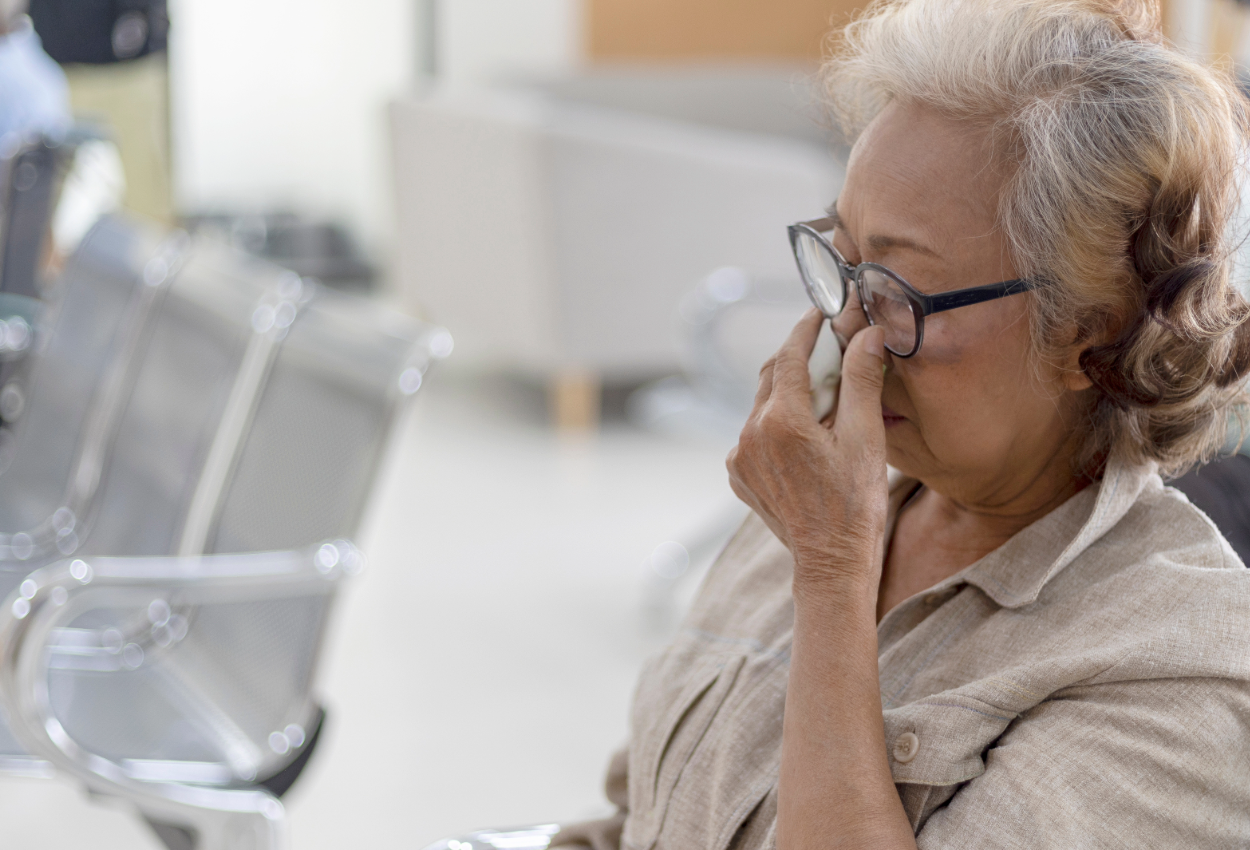
 Walk into any hospital, and you’ll notice almost instantly, that sterile, unmistakable scent of disinfectants, plastics, and uneasiness. It's a sensory signal that something is off, and for patients, it’s often the first emotional cue that sets the tone for their entire stay. Millions of dollars are spent redesigning hospital rooms, updating electronic health records, and refining staff workflows. But one question continues to go unasked: If every hospital smells the same, why are we expecting different results in how patients feel?
Smell: The Overlooked Sense in Patient Experience
Sight. Sound. Touch. We optimize these senses constantly in patient care with dimmed lights, white noise machines, warm blankets. But smell? It’s rarely considered, despite being the only sense that’s directly tied to the emotional center of the brain.
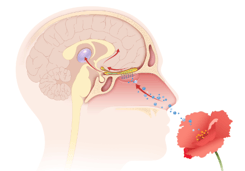 Our sense of smell is 10,000 times more sensitive than any of our other senses and recognition of smell is immediate. Inhaled vaporized odor molecules can bring back a flood of memories, influence people's moods, and even affect their work behavior. Smell can call up memories and powerful responses almost instantaneously.
The reason for this is that the olfactory bulb is part of the brain's limbic system - an area so closely associated with memory and feeling, that it is also called the "primitive" or "emotional brain."
This system is a network of connected structures near the middle of the brain linked with the central nervous system that includes the adrenals, the pituitary gland, and the hypothalamus, which regulate the body's heart rate, blood pressure, stress, and breathing.
Certain aromas like lavender and peppermint, can significantly reduce anxiousness, queasiness, and even perceived pain. Aromas have the power to trigger calm, evoke comfort, and change the emotional temperature of a room.
Yet we leave this sense untouched, dominated by the smell of bleach and synthetic air. No wonder patient anxiousness remains so high, even in beautifully renovated facilities.
Your Hospital’s Smell Is Sending a Message—Whether You Mean It To or Not
Think of the emotional story your environment tells. Is it, "We're here to care for you" or is it "This is a place where things go wrong, so stay alert"?
Without intention, hospitals often default to the latter, communicating urgency and sterility instead of safety and healing. And smell plays a major role in that narrative.
Small Shift, Big Impact: Using Smell to Improve Comfort & Connection
The good news? Changing how a hospital smells doesn’t require an overhaul. It just takes intention. Clinical aromatherapy solutions like Elequil Aromatabs® aromatherapy offer scalable, nurse-friendly way to introduce calming scents into the patient environment without altering clinical workflows or compromising safety.

Because Elequil is non-allergenic, mess-free, and adhesive-backed, it gives patients control over their environment, something they rarely feel during a hospital stay.
Studies have shown patients report feeling more relaxed in clinical settings and nurses are using aromatherapy as a complement to medication, not a replacement.
Smell as a Strategic Advantage
This isn’t just about creating a nicer-smelling room. It’s about using every available tool to improve the human experience of healthcare. When hospitals intentionally shape the environment to reduce anxiousness and enhance comfort, they see improvements in:
- HCAHPS scores
- Nurse satisfaction
- Patient trust and compliance
- Overall perception of care
If your hospital smells like every other hospital, it might also feel like every other hospital.
And in 2026, when patients are looking for connection, calm, and dignity in their care, that’s no longer good enough.
To learn more information about how Elequil Aromatabs aromatherapy can set your facility apart, email info@beekley.com.