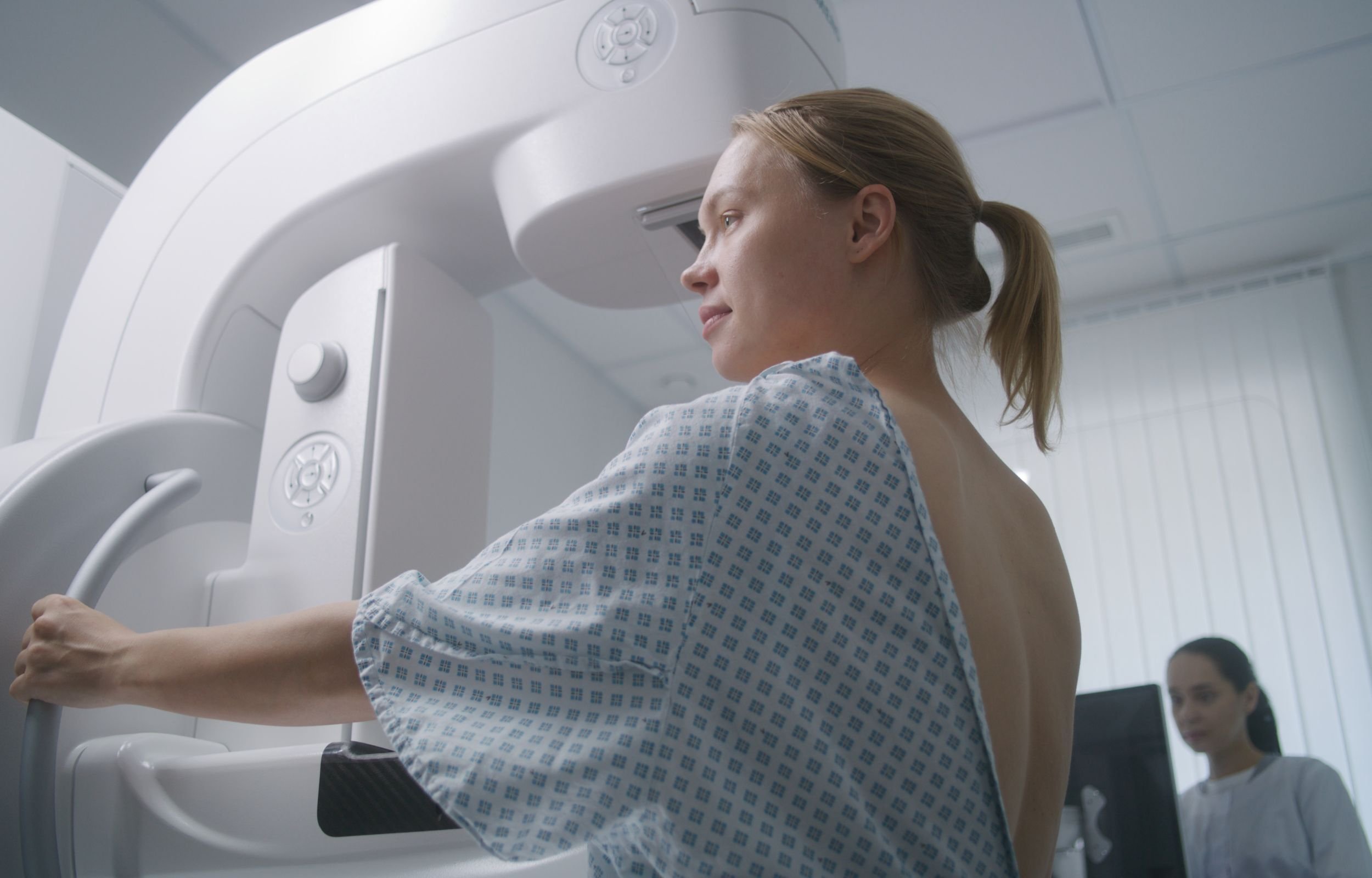
 Despite the well-documented benefits of screening mammography, many women still do not follow recommended guidelines. The reasons are complex, ranging from access and cost to fear, mistrust, and lack of education. These barriers to early detection can delay diagnosis and limit treatment options. We spoke with Dr. Tchaiko Parris MD, PhD, Medical Director of Mammography & Breast Cancer Prevention at ImageONE about why some women do not get screened and what healthcare providers can do to close the gap.
Understanding the Barriers
 "Access to high-quality screening is not equitable," Dr. Parris explains. "There are social, financial, and emotional factors that prevent many women from getting a mammogram."
Some of the most common barriers include:
- Lack of health insurance
- Low health literacy or education
- Transportation or mobility issues
- Mistrust of the medical system
- Language or cultural differences
- Fear of pain, results, or callbacks
"Even if mammography is available, many women simply do not feel comfortable navigating the process," says Dr. Parris. "Our job is not just to offer screening but to make it approachable."
The Role of Anxiety in Delayed Screening
One of the most frequently overlooked barriers is fear, especially fear of discomfort, bad news, or invasive procedures.
"Some women skip their mammograms because they are afraid it will hurt, or that they will get a call saying something is wrong," Dr. Parris says. "Acknowledging that fear and addressing it can make a huge difference."
This is where environment and empathy play a major role in improving patient compliance.
Creating a More Supportive Screening Experience
 From the front desk to the mammography suite, every touchpoint can shape how a woman feels about the experience. Reducing anxiety, improving comfort, and building trust are key.
To help patients who are anxious about their mammograms, some imaging centers use Elequil Aromatabs® aromatherapy, a self-adhesive clinical aromatherapy tab applied to the patient’s gown. For anxious patients, calming blends such as lavender-peppermint, lavender-sandalwood, and lavender can promote relaxation before and during their mammogram. Patients who experience queasiness can benefit from using orange-ginger or orange-peppermint.
"When women feel more at ease, they are more likely to return the following year," says Dr. Parris. "It is a small but powerful way to reduce stress and humanize the experience."
Unlike diffusers or sprays, Elequil is personal, portable, and designed specifically for the clinical environment, but can also transfer from the patient's gown to their clothing. The gentle aroma begins working immediately and lasts for hours, creating a sense of calm throughout the exam. It can be especially helpful for baseline mammograms or for those with prior negative experiences.
Offering comfort options like Elequil Aromatabs® aromatherapy sends a message to patients: we see you, we care, and we are here to support you.
Reframing the Conversation
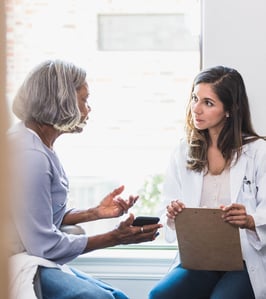 Clear, culturally sensitive communication is essential to overcoming misinformation and mistrust. Providers should:
- Explain the process step by step
- Reassure patients about what to expect
- Emphasize the life-saving value of early detection
- Avoid shaming or judgment
"When patients feel seen and supported, they are more likely to return and follow through with care," Dr. Parris says. "It starts with how we talk to them."
Breaking Down the Barriers
Barriers to early detection are real, but they are not immovable. Through education, empathy, and tools that reduce anxiousness, healthcare providers can create more welcoming and effective screening environments.
Comfort-enhancing solutions like Elequil Aromatabs® aromatherapy, are just one example of how thoughtful details can build trust and improve long-term adherence to breast cancer screening.