
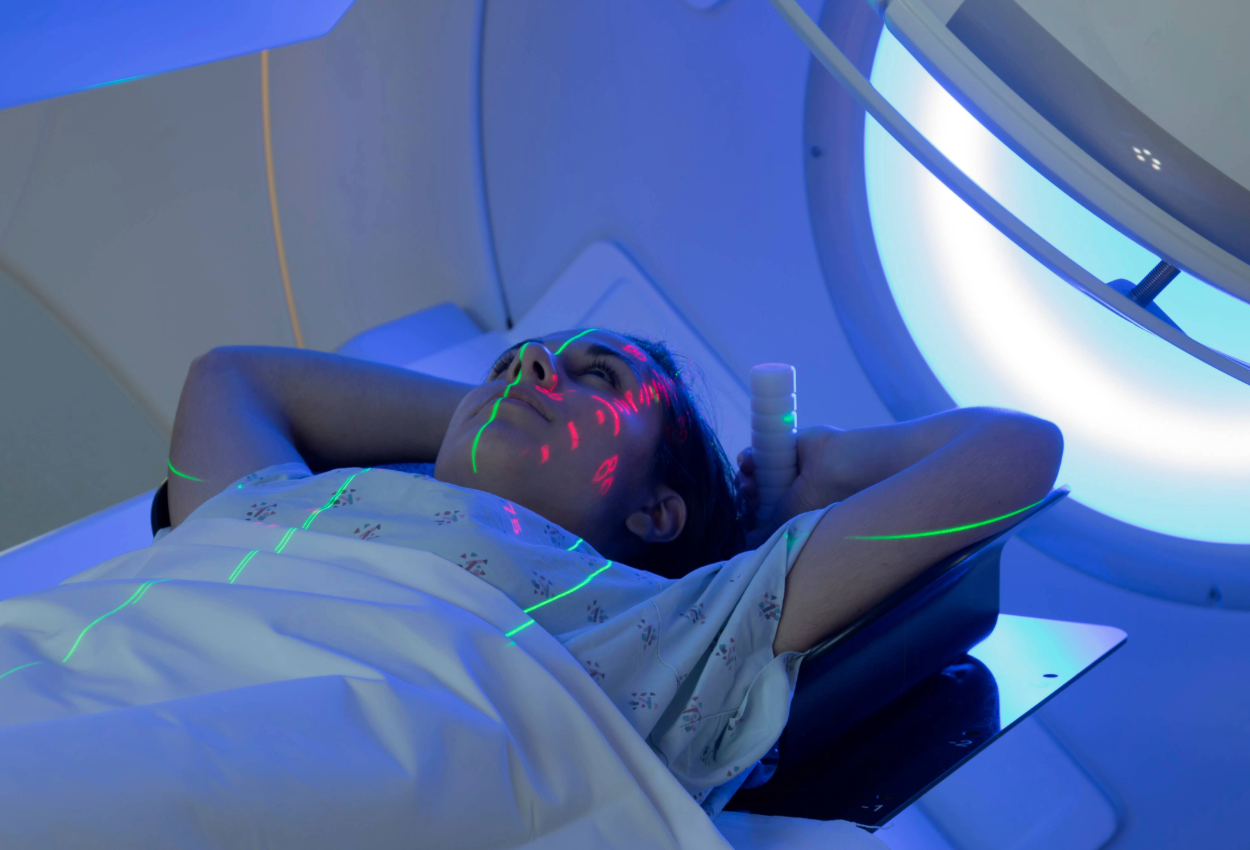
 Radiation therapy depends on repeatability. What’s established at simulation needs to show up the same way every day. Most of the time it does but small, human factors can quietly get in the way. One of the most common factors is setup marking. When marking causes discomfort, anxiety, or confusion for patients, it rarely stops treatment outright. Instead, it shows up later as extra questions at the table, marks that don’t look quite the same as before, or a brief pause during image review to make sure everything still lines up.
Why Patient Experience Matters More Than It Seems
Even with advanced imaging and planning tools, daily setup still relies on patient cooperation. That’s not always easy when marking methods don’t fit well into real life.
In practice, this may look like: patients anxious about needle tattoos at simulation, Sharpie marks fading after normal activities like showering or exercise, and repeated touch-ups that can subtly shift marks over time. Patients aren’t being careless, they’re just trying to live their lives while going through treatment.
Those small challenges don’t usually cause major issues, but they can quietly introduce variability that adds friction to daily setup and downstream review.
Reducing Disruptions Without Changing the Workflow
Some clinics focus on reducing patient burden as a way to support setup consistency.
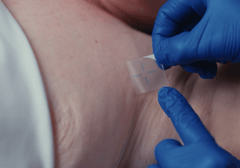 InkRight® semi-permanent tattoos are a needle-free setup marking option designed to be easier for patients to live with. The mark is visible on application, darkens over time, and can remain visible for up to two weeks. Because it’s water resistant, patients can shower, sweat, and exercise without constantly worrying about marks fading.
Application is simple - no needles, no water, no extra tools. And due to InkRight’s clear over, tattoos can be reapplied and aligned over existing marks, helping maintain continuity rather than starting over.
InkRight® doesn’t replace imaging or IGRT. It simply helps reduce one small, recurring source of variability that can otherwise add noise to the setup process.
Questions That Often Come Up
Does this affect setup accuracy?
The goal is to support consistency by reducing how often marks need to be redone and minimizing patient-related variability.
How do patients respond?
Many patients appreciate avoiding needle sticks and not having to constantly worry about marks washing off during normal daily activities.
Does this slow down simulation or treatment?
Application is quick and designed to fit easily into existing workflows without adding extra steps.
Why This May Be Worth a Closer Look
If setup consistency is a priority in your department, it may be worth taking a closer look at how marking methods influence patient cooperation. Discomfort, confusion, or frequent re-marking can quietly introduce variability, especially over longer treatment courses.
Revisiting setup marking isn’t about changing technique or adding complexity. It’s about identifying small, practical adjustments that support patients, reduce friction for staff, and help keep daily setup as predictable as possible.
If you’d like to learn more about how InkRight semi-permanent tattoos are being used in radiation therapy or to request a complimentary sample, you can reach out to info@beekley.com for additional information.