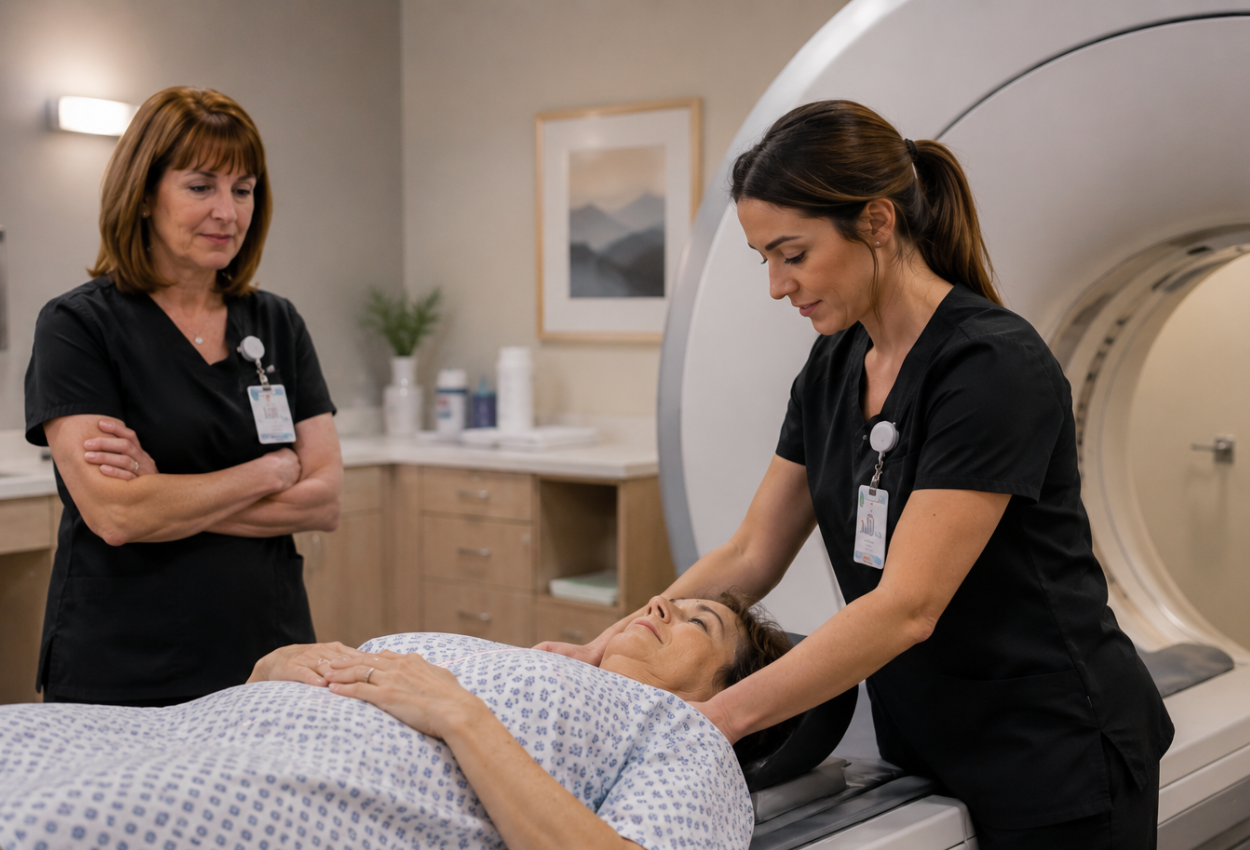
 Every department has one. The therapist everyone goes to with questions. The person who remembers why a protocol changed five years ago. The one who can spot a potential setup issue before anyone else notices it. The therapist who always seems to know what to do when something unexpected happens.
And eventually, that person retires. Or moves into a new role. Or takes a position somewhere else.
While staffing shortages continue to challenge healthcare, many radiation oncology departments are facing another reality: how to preserve years of experience while supporting the next generation of therapists entering the profession.
The Knowledge That Lives in People
Some parts of radiation therapy are easy to teach. Policies can be documented. Procedures can be reviewed during orientation. Checklists help establish consistency. But some of the most valuable lessons in radiation oncology aren't found in a training manual.
They're learned through years of working with patients, collaborating with physicians, dosimetrists, and fellow therapists, and seeing firsthand how decisions made during simulation can affect everything that follows.
Experience isn't just knowing how to run a CT simulation. It's knowing which questions to ask when something looks unusual. It's recognizing when a scar should be clearly identified for planning. It's understanding how a seemingly small decision during simulation can save time, improve communication, or prevent questions later in the planning process.
Those are the kinds of lessons that are often passed from one therapist to another, one conversation at a time.
Supporting Consistency Beyond Orientation
When new therapists join a department, they're learning much more than technical skills. They're learning how that department communicates, solves problems, and works together.
The strongest departments recognize that preserving experience takes more than orientation. It takes mentorship, shared routines, clear workflows, and a willingness to explain not just what to do, but why it matters.
At Beekley Medical, we've had the privilege of working alongside radiation oncology departments for decades. One thing we've learned is that the best workflows are often built on small, thoughtful improvements that help teams communicate more clearly, reduce unnecessary variability, and create greater consistency from one therapist to the next.
Whether it's developing educational resources, listening to the challenges departments share with us, or designing solutions that support everyday clinical practice, our goal has always been the same: to help make complex workflows a little simpler so therapists can focus on delivering exceptional patient care.
Because preserving experience isn't just about passing knowledge from one therapist to another. It's about creating systems that help that knowledge become part of the department itself.
Helping New Therapists Build Confidence
As departments welcome new team members and navigate staffing transitions, many leaders are asking the same question: How do we maintain consistency when experience levels across the team vary?
The answer isn't expecting new therapists to think like someone who has been doing the job for twenty years. It's creating an environment where knowledge is shared instead of assumed.
Mentorship plays a big role, but so do standardized workflows, open communication, and a culture where questions are encouraged. When experienced therapists explain not just what they do, but why they do it, they help newer team members develop the judgment that comes with experience.
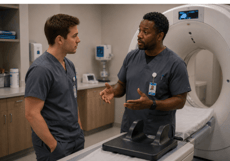
That kind of support benefits everyone. New therapists gain confidence, experienced therapists help strengthen the department, and patients receive consistent care regardless of who is performing the simulation.
When Experience Becomes a Legacy
Most therapists can probably remember someone who shaped the way they practice today. Maybe it was the colleague who patiently explained why a small setup detail mattered. Maybe it was the mentor who encouraged questions instead of expecting perfection. Or maybe it was simply someone who shared the little lessons that never appeared in an orientation binder.
Those moments are easy to overlook, but they are often what transform a new graduate into a confident radiation therapist.
The strongest departments find ways to preserve that experience long before someone retires. They create opportunities for mentorship, encourage collaboration, and build processes that help knowledge become part of the department rather than remaining with one individual.
Because when experience becomes a legacy, everyone benefits. The therapists who are still learning. The colleagues who work beside them. And most importantly, the patients who may never realize how much thought, preparation, and teamwork went into their care.
What's one lesson you learned from an experienced therapist that has stayed with you throughout your career? We'd love to hear your story in the comments below!