
A patient is apprehensive before a procedure. Another is dealing with queasiness during treatment. An older adult is restless in an unfamiliar environment. For the nurse caring for them, the question...


A patient begins pacing the hallway. They’re restless, having difficulty settling, and getting up more frequently than usual. For a nurse caring for older adults in a behavioral health setting, these...
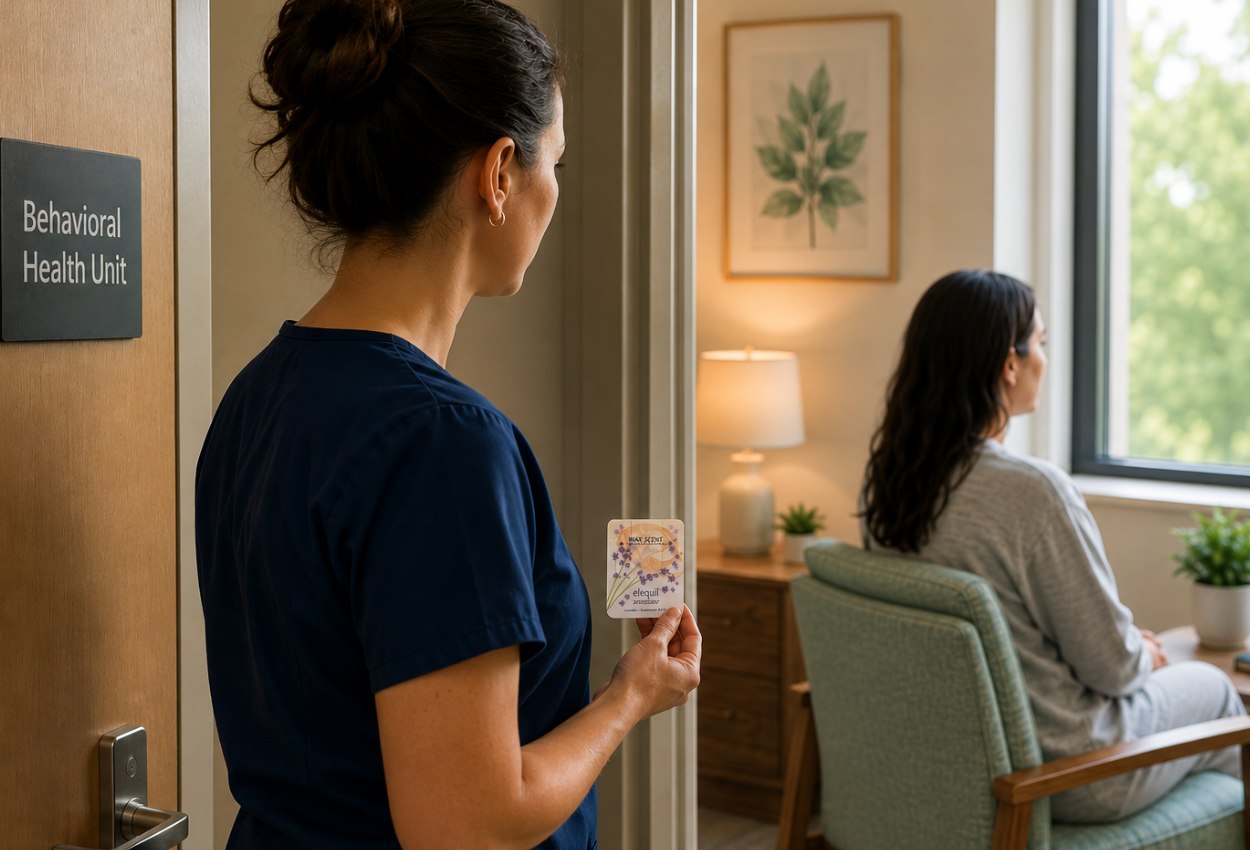
Imagine arriving at a behavioral health unit to begin treatment for alcohol or substance use disorder. You're in an unfamiliar environment, emotions are running high, and the uncertainty of what...

As a nurse manager, you've probably heard it before: "We have a new initiative we'd like your team to implement." While every new product or program may have good intentions, many come with...
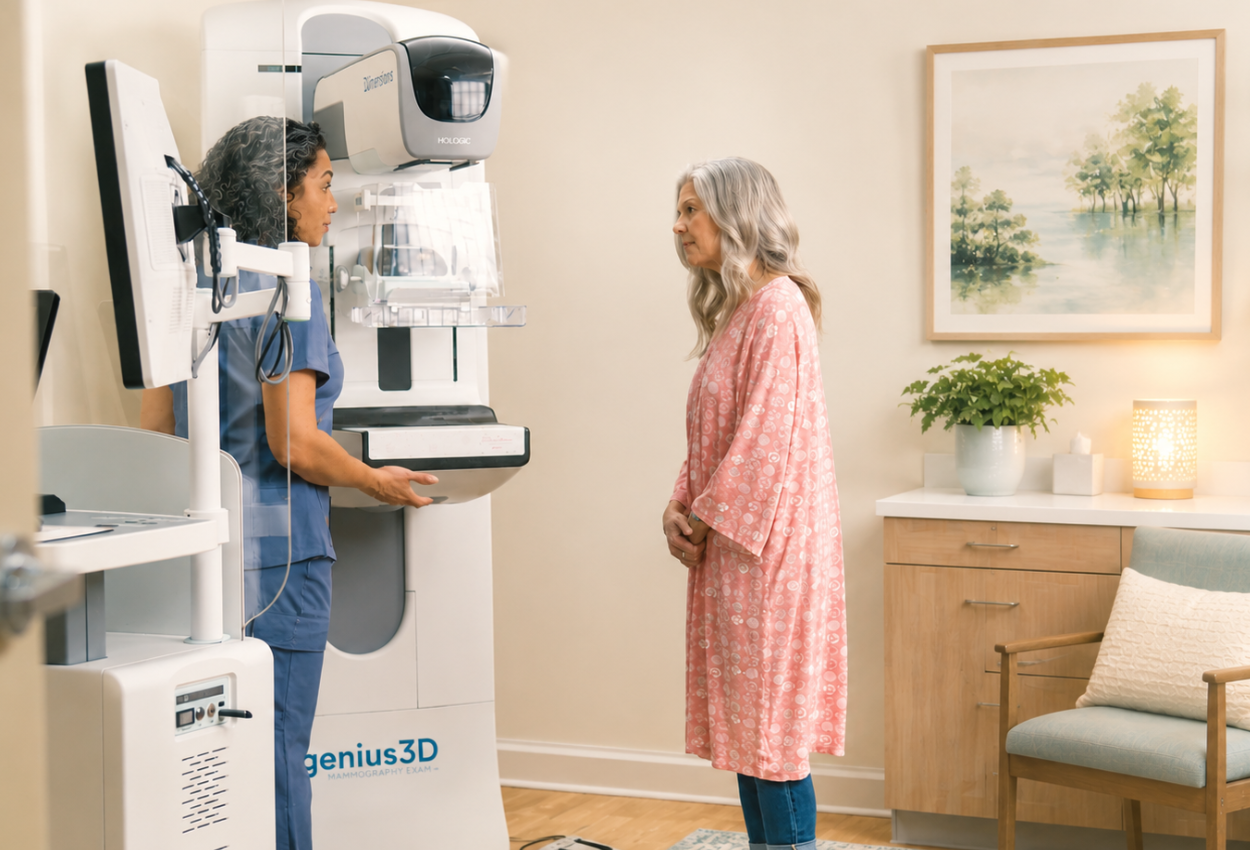
The entire tone of a room can be changed by a patient who is extremely nervous and presenting for her mammogram. Anxiousness can make positioning more difficult, increase tension during compression,...

Each May, Nurses Week offers an opportunity to recognize the dedication, resilience, and compassion that nurses bring to patient care every day. While moments of recognition often highlight...

Nurse onboarding is one of the most important phases in building a confident, capable nursing team. For healthcare leaders and nursing management teams, effective onboarding programs help new nurses...

Clinical aromatherapy is steadily gaining traction in hospitals, surgical centers, and outpatient clinics as healthcare teams look for safe, evidence-based, non-pharmacologic ways to support patient...
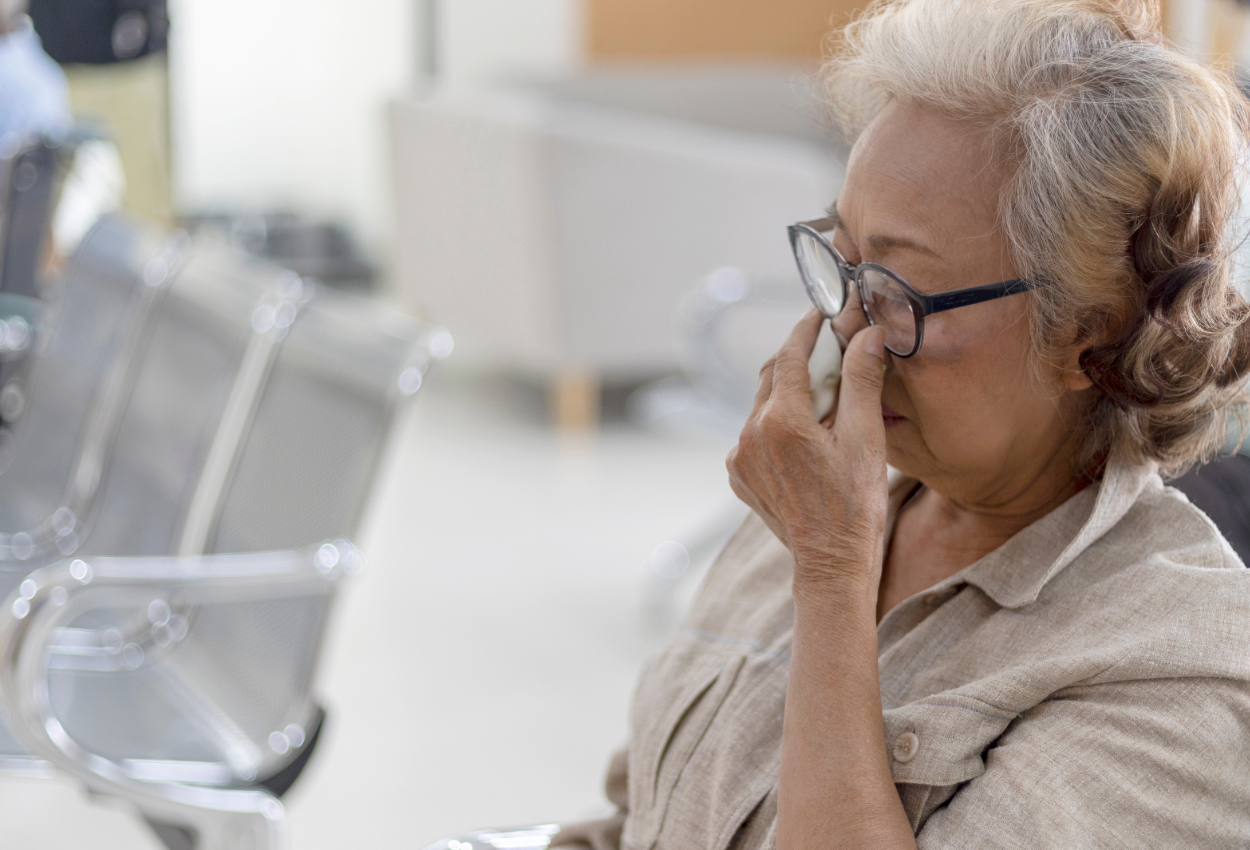
Walk into any hospital, and you’ll notice almost instantly, that sterile, unmistakable scent of disinfectants, plastics, and uneasiness. It's a sensory signal that something is off, and for patients,...