
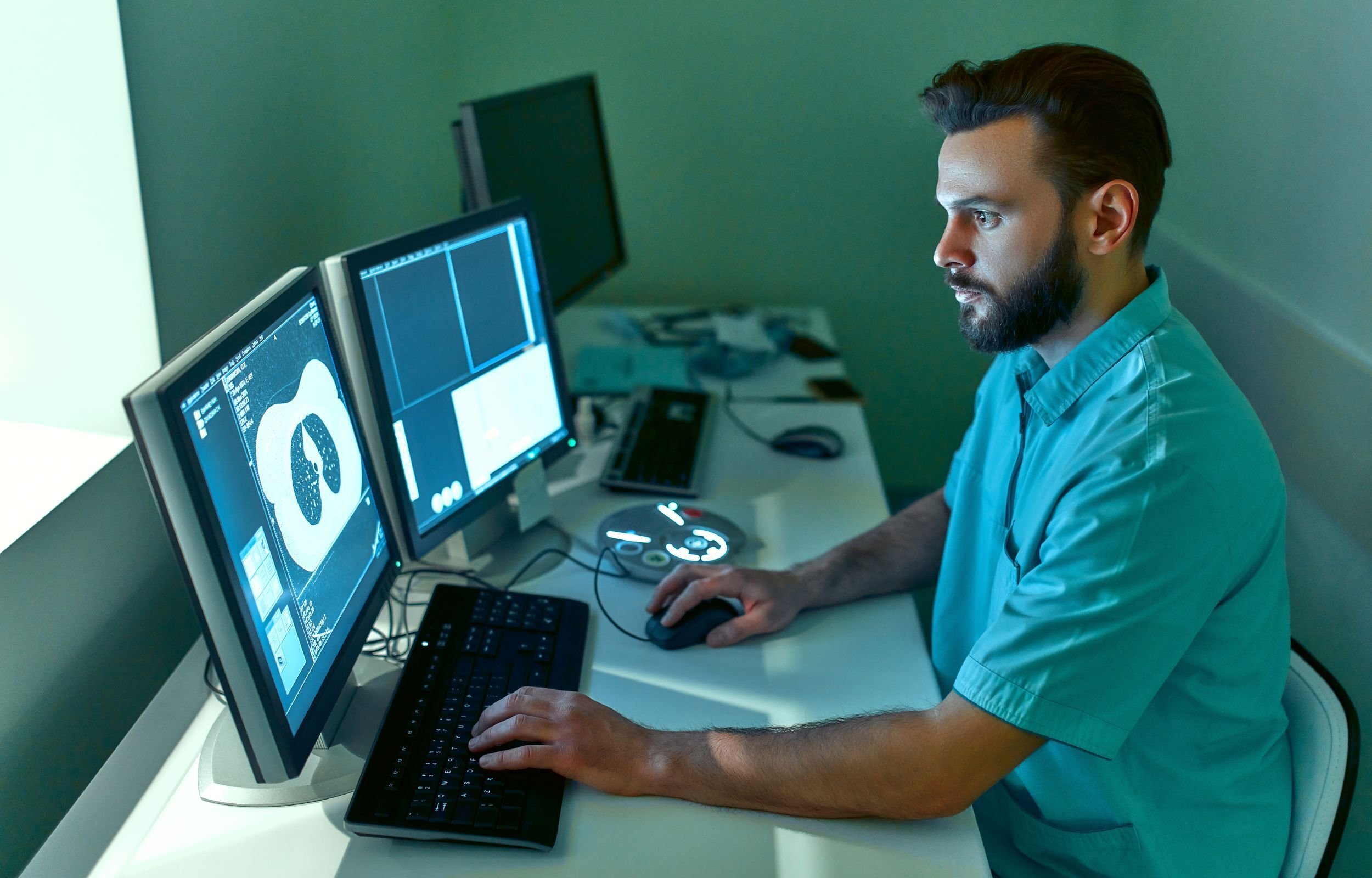
 As healthcare continues to evolve, so do the roles within imaging departments. One of the most impactful new positions emerging in MRI is the Imaging Assistant, a role designed to keep patient care, workflow efficiency, and image quality running seamlessly, especially as radiologists increasingly interpret studies remotely. And, in some cases, the MRI technologist is scanning from a remote location as well.
This approach is used to increase efficiency, improve access to care, and help with staffing. The remote technologist can operate multiple scanners simultaneously and provide coverage during extended, off, or peak hours, improving scanner utilization and patient throughput. In the remote setup, the Imaging Assistant is on-site with the patient to handle physical tasks such as positioning, screening, and patient interaction, while the remote technologist guides the scan from a control room.
While this model supports faster turnaround times and access to subspecialty reads, it also changes how everyone communicates with each other in the MRI suite. This is where the Imaging Assistant becomes essential, as does the use of MRI skin markers.
Bridging the Gap Between Technologists and Radiologists
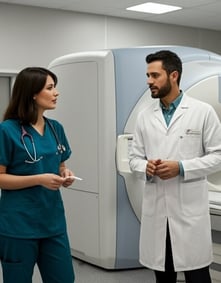 The Imaging Assistant serves as the connection between the MRI technologist and the remote radiologist. They help ensure that the correct images, annotations, and documentation are ready before the radiologist begins reading. This coordination helps reduce delays, maintain accuracy, and improve the overall MRI workflow.
With remote work increasingly becoming the new standard, in imaging, visual clarity on the image itself is more important than ever. The use of MR-SPOT® skin markers helps provide essential reference points that guide remote staff during the scan and image interpretation.
These skin markers ensure the radiologist sees exactly what the technologist and clinical team intended to highlight. This accuracy improves confidence in the findings and supports faster, more informed decisions.
MR-SPOT® skin markers:
- Instantly identify areas of clinical concern or patient pain
- Correlate patient-reported findings with anatomical structures
- Minimize the need for follow-up questions or additional scans
Understanding when and where to apply MR SPOT markers becomes part of their role in maintaining consistency and quality across the department.
By mastering this step, Imaging Assistants help standardize image presentation, improve communication between technologists and remote readers, and support confidence in the accuracy of the study.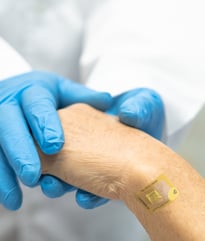
A Team Effort That Enhances Patient Care
In medical imaging, collaboration is key. The Imaging Assistant will soon become an indispensable part of the MRI team, ensuring every image tells the whole story and that nothing is overlooked.
With the support of MR SPOT Skin Markers, this teamwork leads to clearer images, better communication, and ultimately improved patient outcomes.