 As a new year begins, many radiation oncology teams reflect on what is working well and where small refinements could make a meaningful difference. With the continued growth of AI driven planning, adaptive therapy, and automated contouring, one reality has become increasingly clear: the clarity of CT simulation data matters more than ever.
Technology continues to evolve rapidly , but even the most sophisticated planning systems depend on what comes out of the simulation room. That is why many departments are starting 2026 with a renewed focus on the fundamentals that quietly support the entire workflow: image clarity, consistency in setup, and the accuracy of the information captured at simulation.
Why Clear CT Simulation Data Matters in 2026
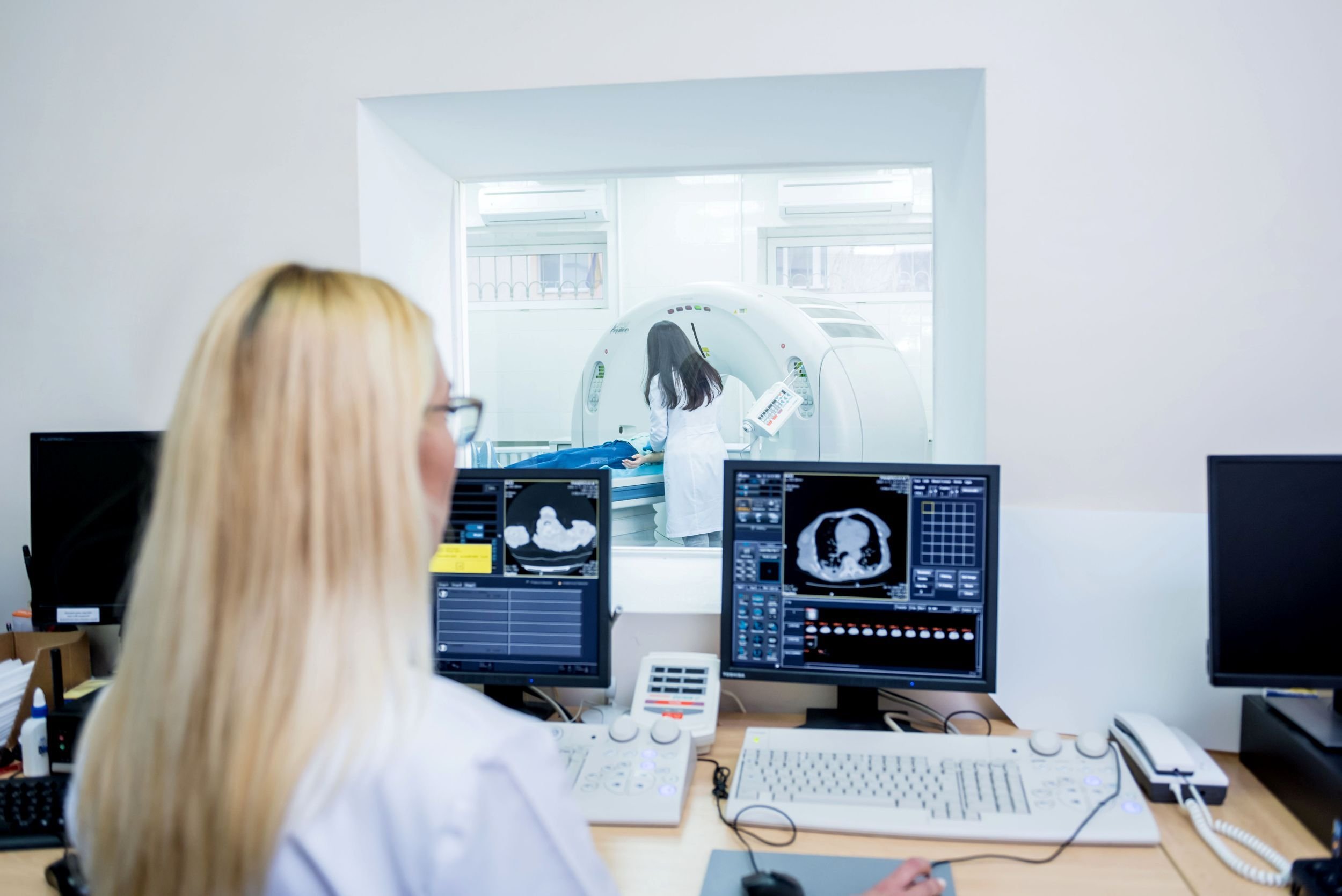
 Every treatment plan begins at simulation, and most teams can sense almost immediately whether that foundation is solid. A clear, well-executed simulation builds confidence across the team. An unclear one introduces friction that tends to show up later as additional edits, clarification conversations, or avoidable re -scans.
Long before dose calculations or plan review, the accuracy of simulation data sets expectations for everyone downstream. When images are clean and intentional, dosimetrists can focus on planning rather than interpretation. Physicists spend less time correcting issues that could have been avoided upsteam. Therapists can trust that what was captured reflects clinical intent.
As departments look ahead to 2026, many are prioritizing upstream clarity to help:
- reduce avoidable re-scans
- support accurate and efficient auto-contouring
- improve communication between simulation staff, dosimetrists, and physicists
- create a more consistent experience for both patients and staff
This shift is not about adding complexity. It is about reducing uncertainty.
The Growing Priority of Signal Clarity in Radiation Therapy
 Across conferences and clinical discussions, a recurring theme continues to merge: signal clarity. Every element captured during CT simulation sends information to the planning team. Markers, immobilization devices, patient positioning, tattoos, and coaching all influence how images are interpreted during contouring.
Most teams have experienced moments where small visual details led to second guessing or extra cleanup during planning. As a result, more departments are asking practical questions:
- Are we sending the clearest possible information to the planning team?
- Are we unintentionally introducing visual noise?
- Are there simple refinements that could improve confidence and consistency?
Signal clarity is increasingly viewed as a quality measure. When simulation images clearly communicate intent, planning becomes smoother, edits decrease, and downstream corrections are minimized.
How Elevated Skin Markers Support Clear Simulation Data
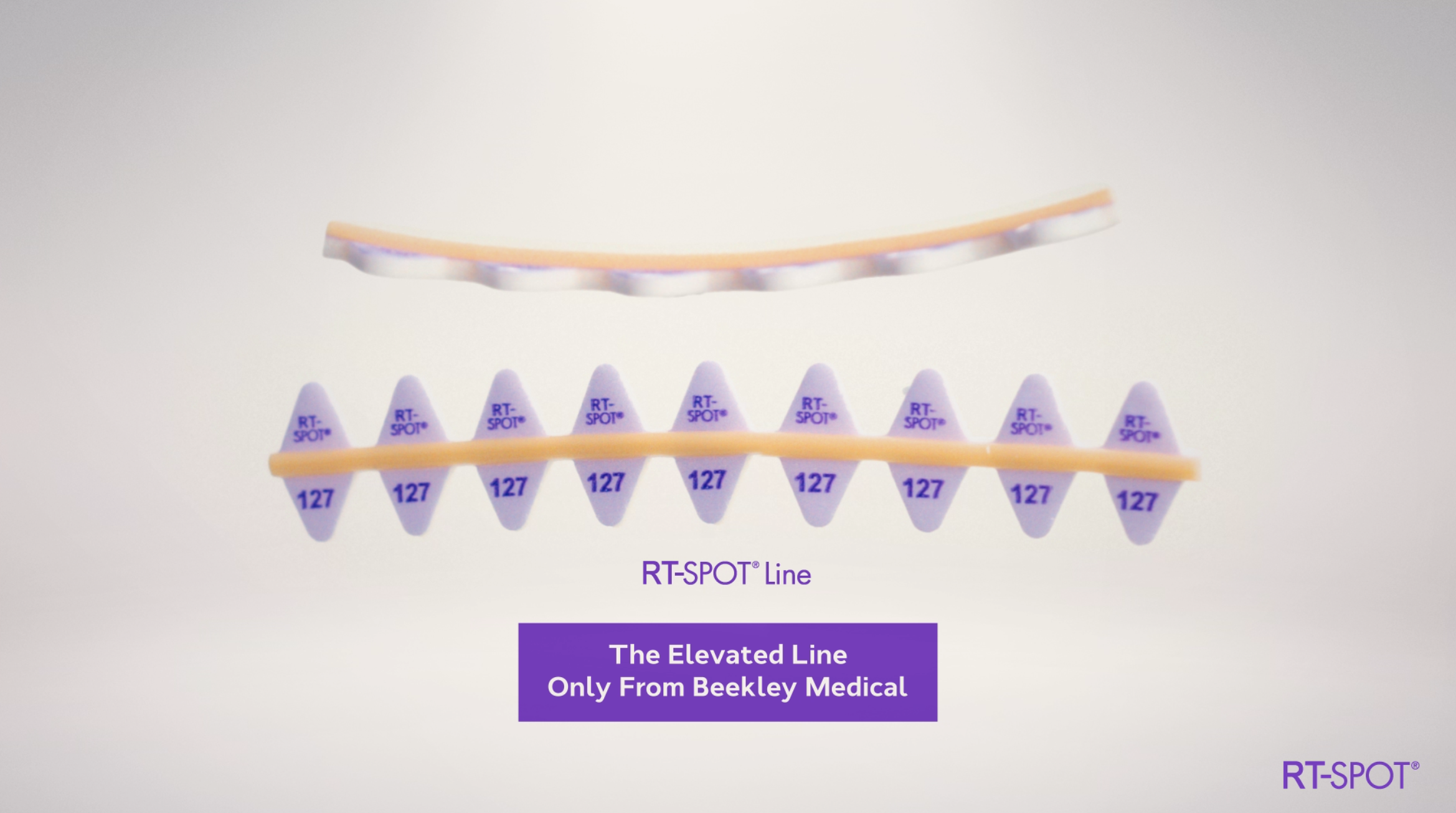
For many teams, improving signal clarity comes down to small, practical refinements at the skin’s surface. One approach gaining attention is the use of elevated skin markers such as RT SPOT® Elevated Skin Markers for CT simulation.
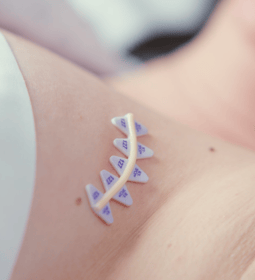 These markers are designed to sit above the skin line on CT images, creating clear separation between the marker and the patient body contour. This distinction has become increasingly important as auto-contouring tools are now widely used and advanced planning systems detect even subtle objects on the skin’s surface.
By elevating the marker away from the skin line, the risk of accidental inclusion in the body contour is reduced. For dosimetrists, this creates a clearer and more intentional signal and for the broader care team, it supports consistent interpretation, fewer edits, and greater confidence in the planning process.
Often, the most effective workflow improvements are the ones that quietly remove friction rather than adding new steps.
A Year Focused on Intentional Choices
The start of a new year often brings conversations about new technology and emerging tools. But many of the most impactful improvements come from refining what is already part of the daily workflow.
Small, thoughtful choices made at simulation- how patients are marked, how information is communicated, and how images are captured - shape everything that follows. When those choices are intentional, image clarity improves, variability decreases, and the rest of the team can work with greater confidence.
As 2026 begins, many departments are recognizing that precision does not start in the treatment room. It starts at simulation. Teams that invest in signal clarity, consistent practices, and front-end alignment are setting the tone for a stronger, more efficient year in radiation therapy.
If your team is evaluating small changes that can improve simulation clarity, consider requesting a sample of RT SPOT® Elevated Skin Markers to see how elevated markers can support cleaner images and smoother planning workflows.