
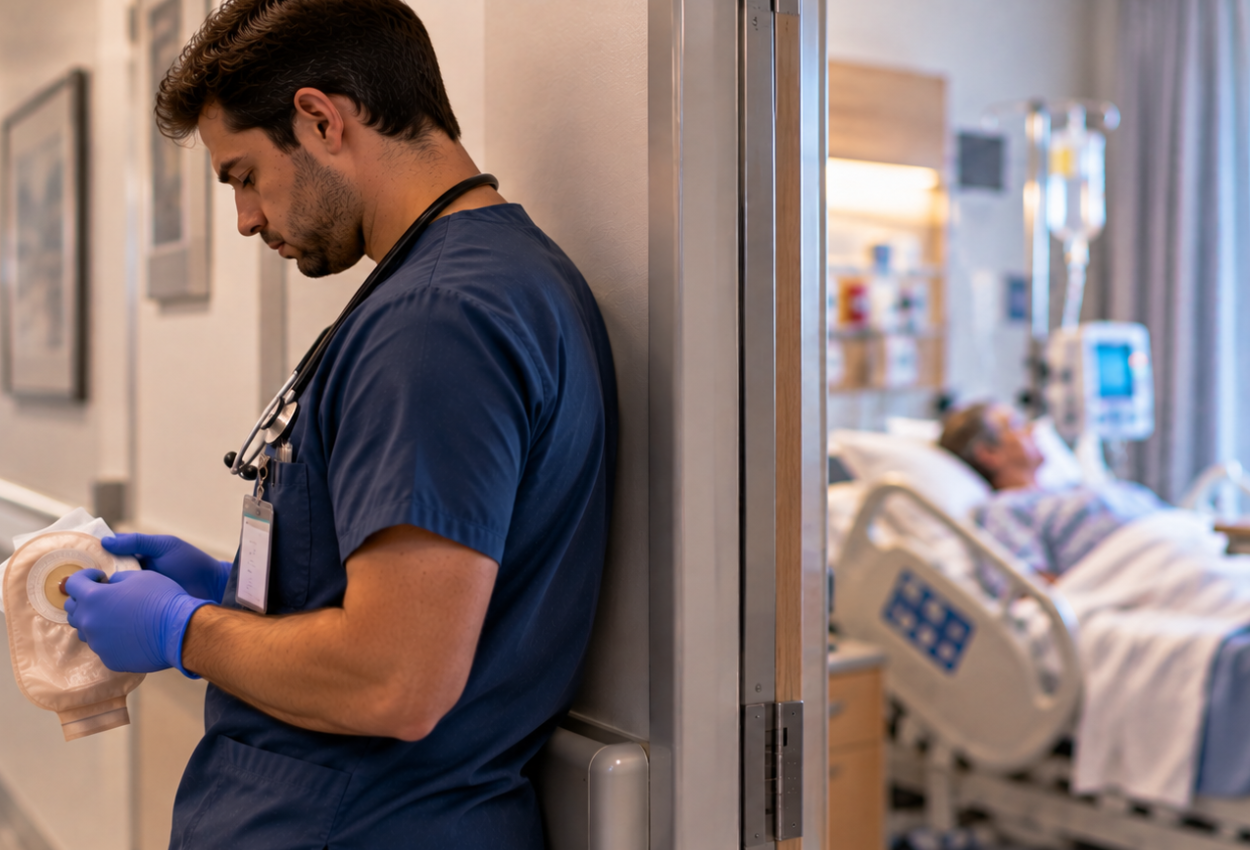
 There are plenty of stressors in healthcare that everyone talks about: demanding workloads, long shifts, staffing shortages, emotional fatigue, and the pressure of caring for patients through difficult moments. And then there are the ones that rarely make the list. Malodor is one of them.
During a recent conversation, a nurse described malodor as a “silent stressor” in the work environment. It was a simple observation, but one that deserves more attention.
Strong odors can be part of clinical issues like wound care, ostomy care, GI bleeds, postpartum care, and then there are personal or environmental malodors such as body odor, smoke or marijuana smells or halitosis. Healthcare professionals encounter them, manage their reactions, and continue caring for the patient in front of them.
But just because something is an expected part of the job doesn't mean it isn't affecting the person experiencing it.
For clinicians who regularly encounter malodor, having a discreet way to help manage that part of the environment can make one more stressor a little easier to navigate. Olora Halo™ Nasal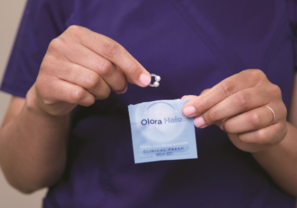 Malodor Barrier was designed with exactly that experience in mind, giving healthcare professionals a personal, discreet way to help reduce exposure to unpleasant odors while they care for patients.
What Makes Malodor a “Silent Stressor”?
At a recent Emergency Nurses conference, nurses shared how they may hold their breath or try to get out of the room quickly.
While most clinicians experience malodorous situations, these nurses shared that they experience clinical-induced odors by infected wounds, C-diff, necrotic tissue. They also shared that feet were a reoccurring smell, especially with the homeless community.
A clinician’s focus should be on assessing the patient, providing the care they need, and managing the clinical priorities at hand.
At the same time, the clinician’s needs to manage their own reaction, they are trying to stay focused while resisting the instinct to turn away, leave the room, or react visibly.
That's part of what makes malodor such an interesting workplace stressor. It isn't necessarily the biggest challenge a healthcare professional will face that day. But it can add another layer of physical and mental distraction to an already demanding situation.
And because strong odors are often accepted as simply “part of the job,” that experience can easily go unacknowledged.
Clinicians Have Been Finding Their Own Ways to Cope
The fact that malodor isn't discussed much doesn't mean healthcare professionals haven't been trying to manage it.
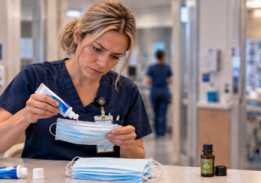 Talk to nurses and you'll hear plenty of approaches. Some double-mask with toothpaste between the masks while some turn to VapoRub, coffee grounds, peppermint oil, or other strong scents. Others change how they breathe during a procedure, or simply tolerate the odor until the task is finished.
These workarounds tell us something important: the need has been there, even if we haven't always talked about it. Olora Halo offers another option.
Made from medical grade silicone, Olora Halo is a small nasal ring with an encapsulated clinically fresh scent that sits discreetly at the nose. Essential oils are contained within the Halo, preventing direct contact with the nasal mucosa.
It's a simple way to support staff, helping them feel cared for while contributing to greater job satisfaction.
Managing Your Reaction Can Matter to the Patient, Too
There is another reason this conversation matters. For a clinician, malodor may be an uncomfortable part of providing care. For the patient, it can be deeply personal.
Someone receiving care for a GI bleed or infection, for example, may already feel vulnerable or self-conscious about the odor associated with their condition. An involuntary facial expression, gag reflex, or step away from the bedside can communicate more than a clinician ever intended.
Patients may remember these moments. The way that interaction made them feel can influence how they perceive their overall care experience and ultimately how they respond to their patient satisfaction surveys.
Giving clinicians a way to better manage their own experience can help make it easier to keep the focus where they want it: on the person they're caring for, not the odor in the room.
Maybe It's Time to Talk About the Stressors We Don't Count
Healthcare will always involve uncomfortable moments, and strong odors will continue to be part of certain types of patient care.
But “part of the job” doesn't have to mean there aren't better ways to support the people doing that job.
Sometimes support isn't a major workflow change or a new piece of equipment. Sometimes it's recognizing a small but persistent stressor and giving healthcare professionals another tool to help manage it.
Malodor may be a silent stressor in healthcare. It's time we stopped the silence.
Interested in learning more about how Olora Halo™ Nasal Malodor Barrier can support healthcare professionals during odor intensive patient care? Learn more and request a complimentary sample.