
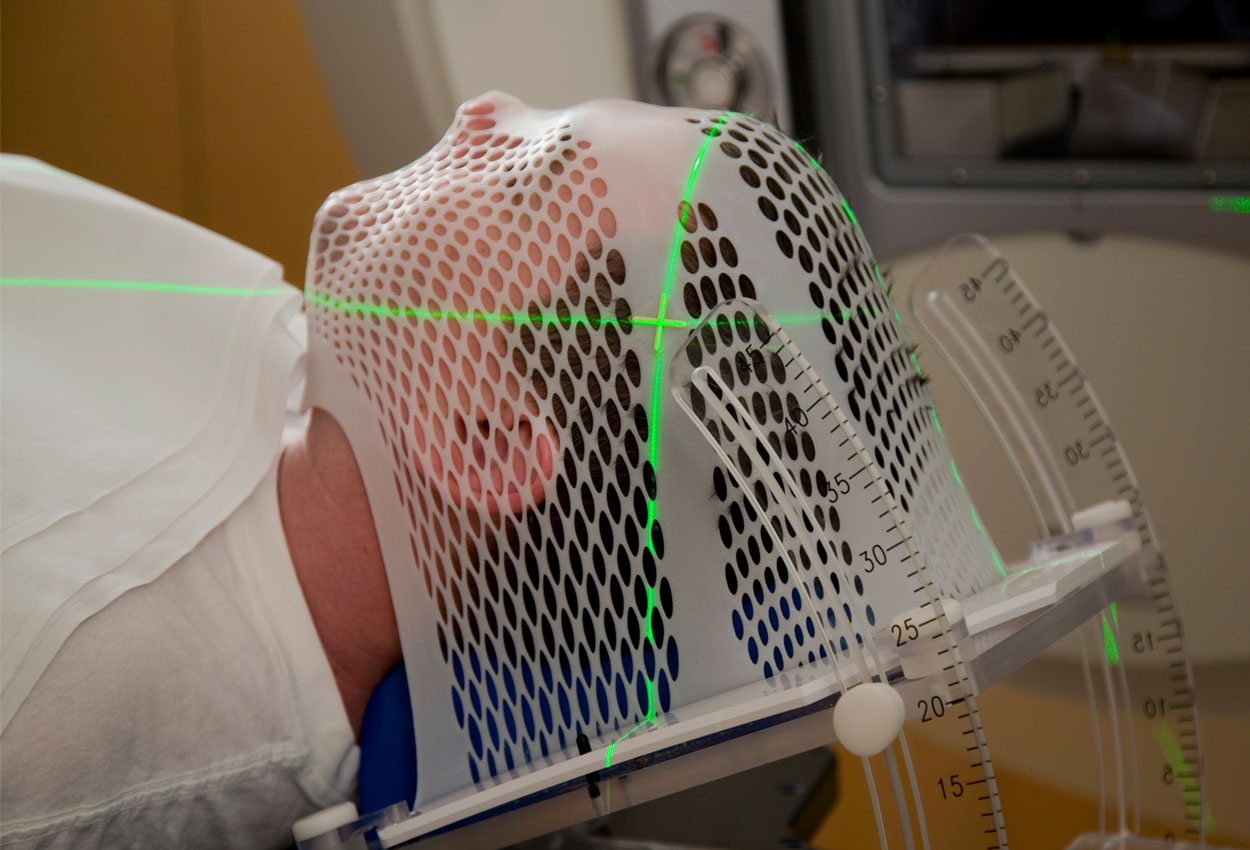
According to the American Society of Clinical Oncology, an estimated 65,410 people (48,000 men and 17,410 women) will develop head and neck cancer (HNC) this year. Many will undergo radiation therapy...

Summertime. The word conjures up thoughts of fun, but in many areas of the country, it also brings to mind ways to cope with the excessive heat and humidity.

Dr. Douglas Housman is a radiation oncologist previously with Memorial Sloan-Kettering in NY, and now at the Harold Leever Regional Cancer Center in CT. In his many years of experience, there’s one...
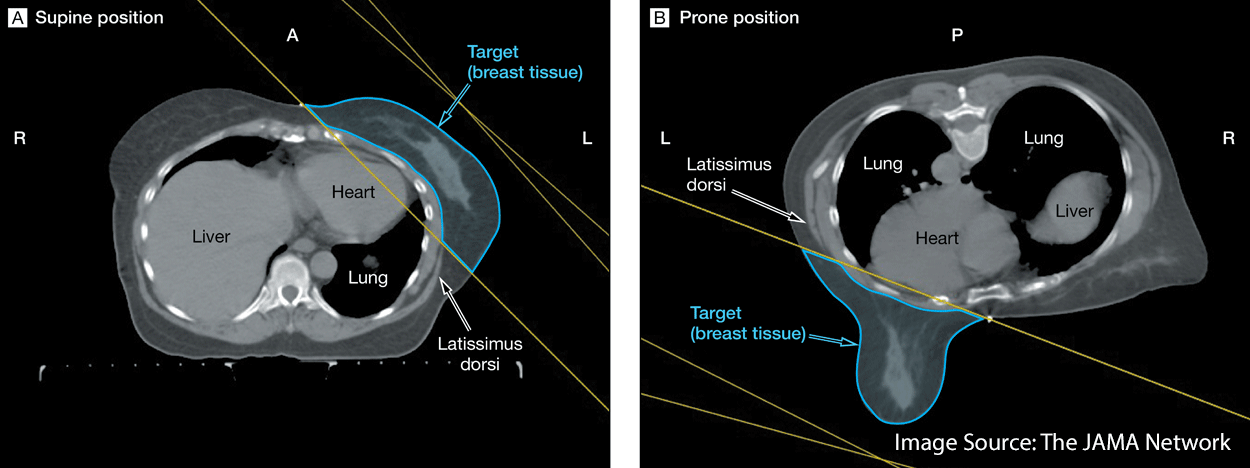
The standard of care for post-lumpectomy breast cancer patients has been the delivery of whole breast radiation in the supine position. However, there is significant evidence that the heart and lungs...
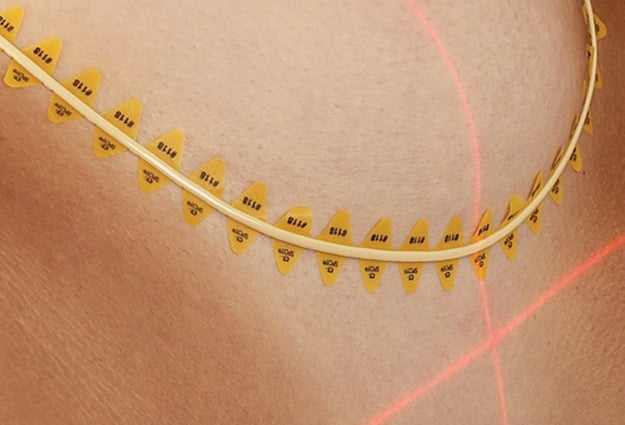
The challenge every radiation oncology department faces is to destroy cancer cells and stop the growth of the tumor while limiting harm to nearby healthy tissue.

The goal of the radiation therapist is to accurately locate the central axis or zero slice on the tumor field for treatment planning. A skin marker with a distinct shape that clearly defines the area...
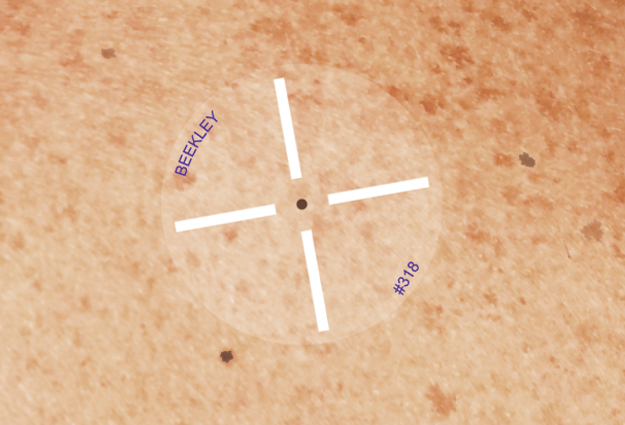
Temporary marks are an important part of CT simulation, allowing for accurate and reproducible set-ups for treatment.

Artifact can be an unavoidable obstacle for the radiation oncology team. In radiation therapy, no one knows this more than the medical dosimetrist who is responsible for interpreting the images taken...
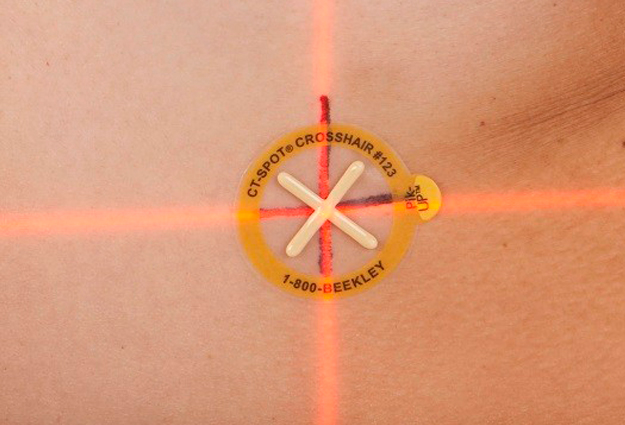
During CT simulation, we use CT Crosshairs for our three point set-ups and we place them on the patient in an "X" configuration.